

Lithuania aims to reduce barriers to the circular economy during its EU Council Presidency
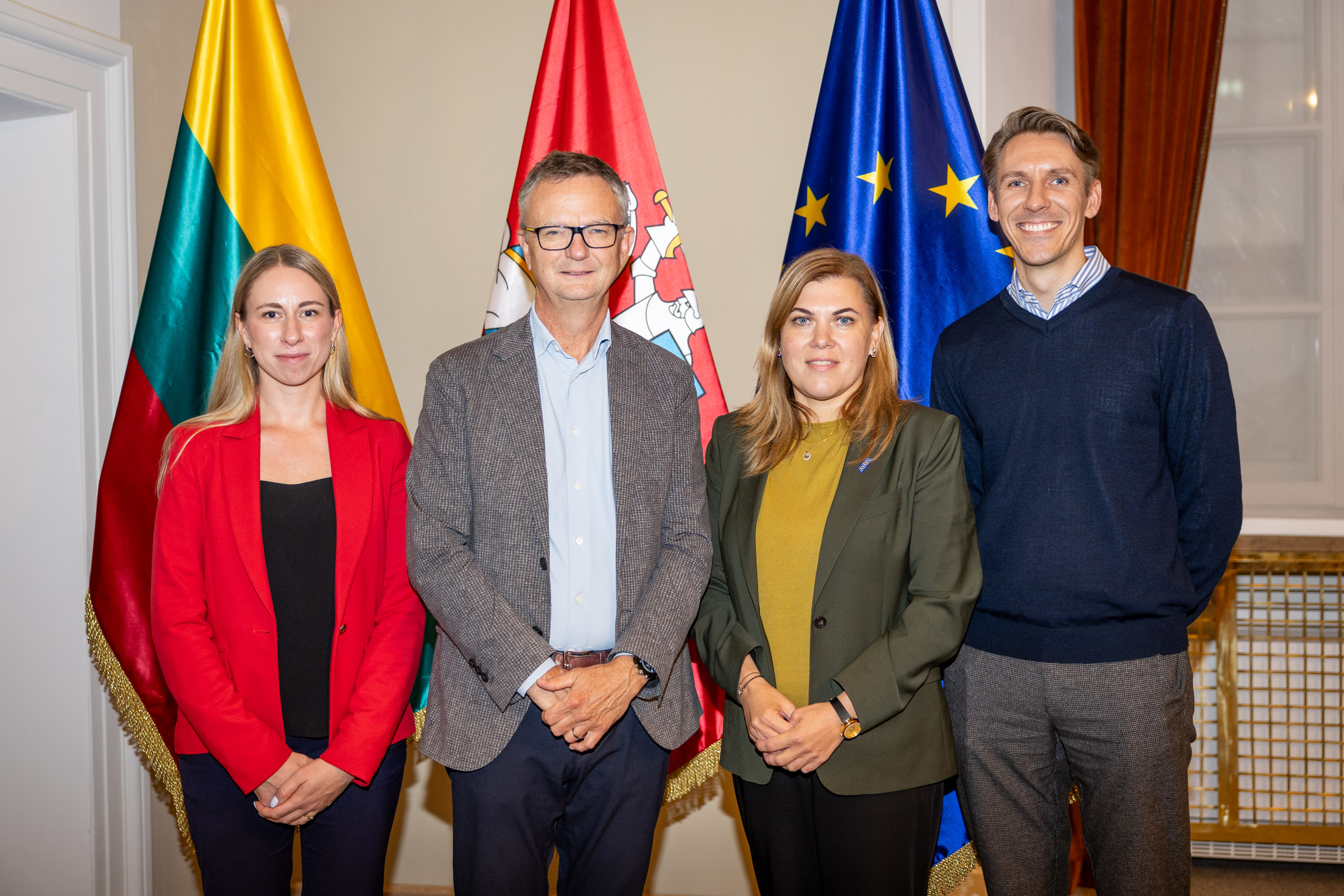
Minister of Environment Ieva Andriulaitytė met with Eric Mamer, Director-General for Environment at the European Commission, and his delegation. They discussed Lithuania’s preparations for its Presidency of the Council of the European Union (EU) in the first half of 2027 and the environmental policy agenda for that period.
The forthcoming Circular Economy Act is among the planned priorities for the Presidency. Lithuania proposes establishing common quality standards for secondary raw materials and harmonising the criteria for determining when materials recovered from waste are no longer considered waste.
“We also see environmental policy as part of Europe’s economic security. During our Presidency, we will seek progress in building a single market for secondary raw materials and simplifying environmental procedures, while upholding the EU’s environmental protection objectives,” says Minister of Environment Ieva Andriulaitytė.
Lithuania also proposes requiring online marketplaces to verify sellers’ registration in producer responsibility schemes before allowing them to sell products. The aim is to ensure that non-EU sellers supplying goods to EU consumers also fulfil their obligations relating to the management of waste from those products.
Negotiations on the Omnibus package to simplify environmental legislation are also expected to feature on the Presidency agenda. The discussions covered environmental impact assessment and permitting procedures, as well as the application of the Birds and Habitats Directives.
The Minister also outlined Lithuania’s position on possible revisions to water and marine protection legislation. Lithuania supports retaining the core objectives of the Water Framework Directive. It also supports updating the Marine Strategy Framework Directive and proposes setting realistic deadlines for achieving good environmental status in marine waters, alongside better alignment between environmental and maritime policy measures.
The Minister also presented the work under way on Lithuania’s National Nature Restoration Plan. The country intends to submit the document to the European Commission by the end of the year. Discussions with the delegation covered continued funding for restoration measures beyond 2027, as some measures to restore grasslands, wetlands and agricultural ecosystems depend on funding under the EU’s Common Agricultural Policy.