

Lithuania shares nature restoration and circular economy experience with European Commission delegation
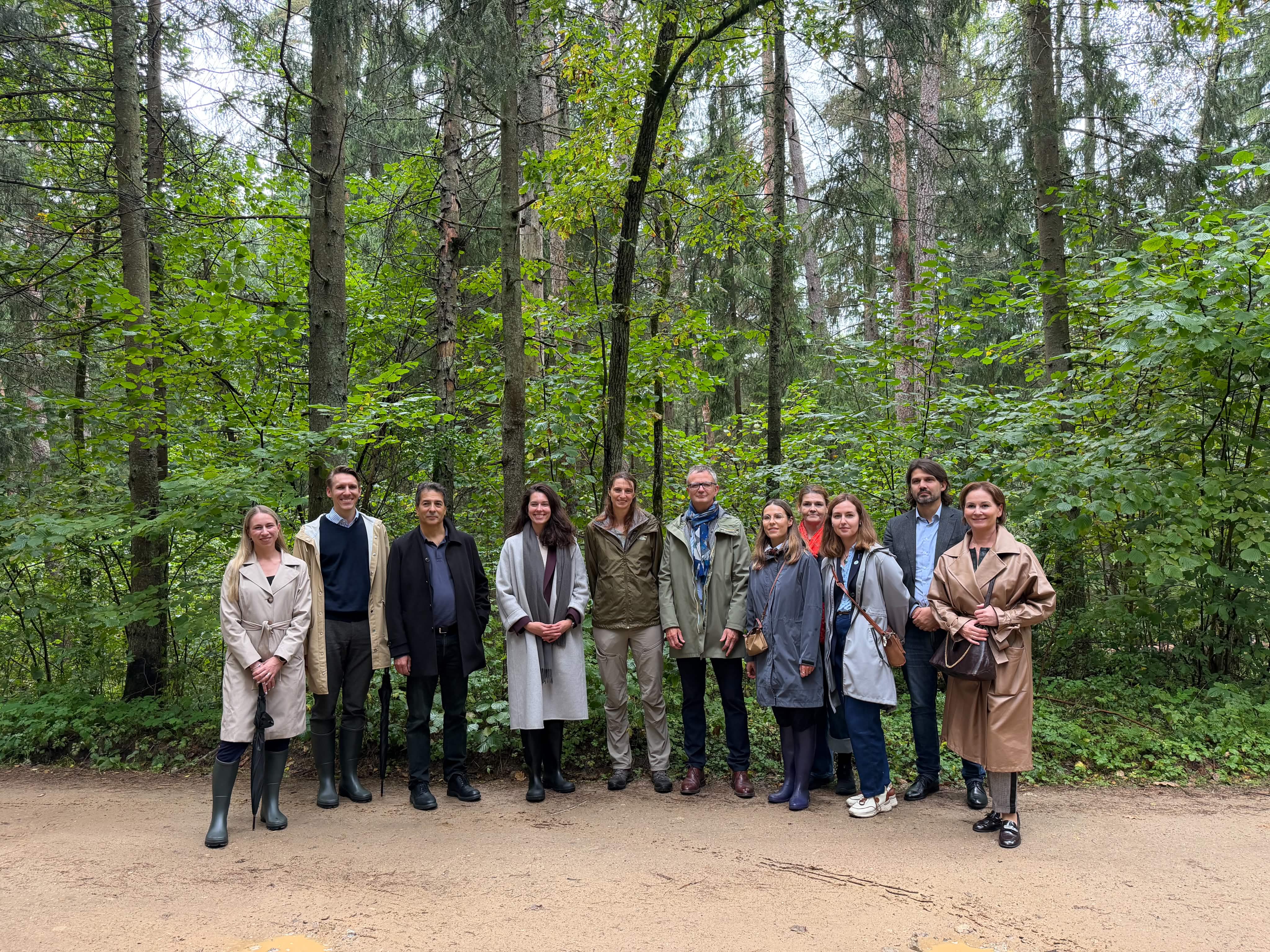
On 17 September, Eric Mamer, Director-General for Environment at the European Commission, and his delegation visited the site of the former Bražuolė dam and the Humana Baltic textile sorting centre, accompanied by Vice-Minister of Environment Aira Paliukėnaitė. The visits highlighted Lithuania’s experience in restoring river connectivity and putting circular economy principles into practice.
“Through our cooperation with the European Commission, we aim to ensure that Lithuania’s experience also informs EU environmental policy. Visits like these provide an opportunity to discuss what is needed to implement initiatives and how they could be adapted to other countries. This dialogue is particularly important as we prepare for Lithuania’s Presidency of the Council of the EU, when our role will be to bring Member States together to reach agreement,” says Vice-Minister of Environment Aira Paliukėnaitė.
In Neris Regional Park, the delegation visited the site of the Bražuolė dam, which was removed in 2020. It was the first dam in Lithuania to be dismantled for nature conservation purposes. The Lithuanian Fund for Nature carried out the project to restore the river’s free flow and give migratory fish access to spawning grounds.
The Bražuolė River forms part of the Natura 2000 network of protected areas and is important for protected fish species. The dam had no owner, was structurally unsafe and no longer served any economic purpose.

The delegation then visited Humana Baltic’s textile sorting centre in Vilnius to see circular economy solutions in practice. Used clothing and other textiles are sorted to identify items suitable for reuse, while some textiles that cannot be reused are sent for recycling. This extends the life of products, reduces waste and conserves natural resources.
According to figures published by the organisation, the centre sorts around 34,000 tonnes of textiles each year. Approximately 70% of this total is prepared for reuse, around 20% is sent for recycling, and the remainder is used to generate energy.
Last updated: 18-09-2026
Related news:
Lithuania aims to reduce barriers to the circular economy during its EU Council Presidency
Lithuania’s Social Climate Plan aims to improve living conditions for vulnerable people
Baltic States and Poland strengthen cooperation on implementing energy and climate plans
Key provisions of the EU Packaging and Packaging Waste Regulation now apply