

Lithuania calls for a balance between climate targets and industrial competitiveness at the EU Environment Council
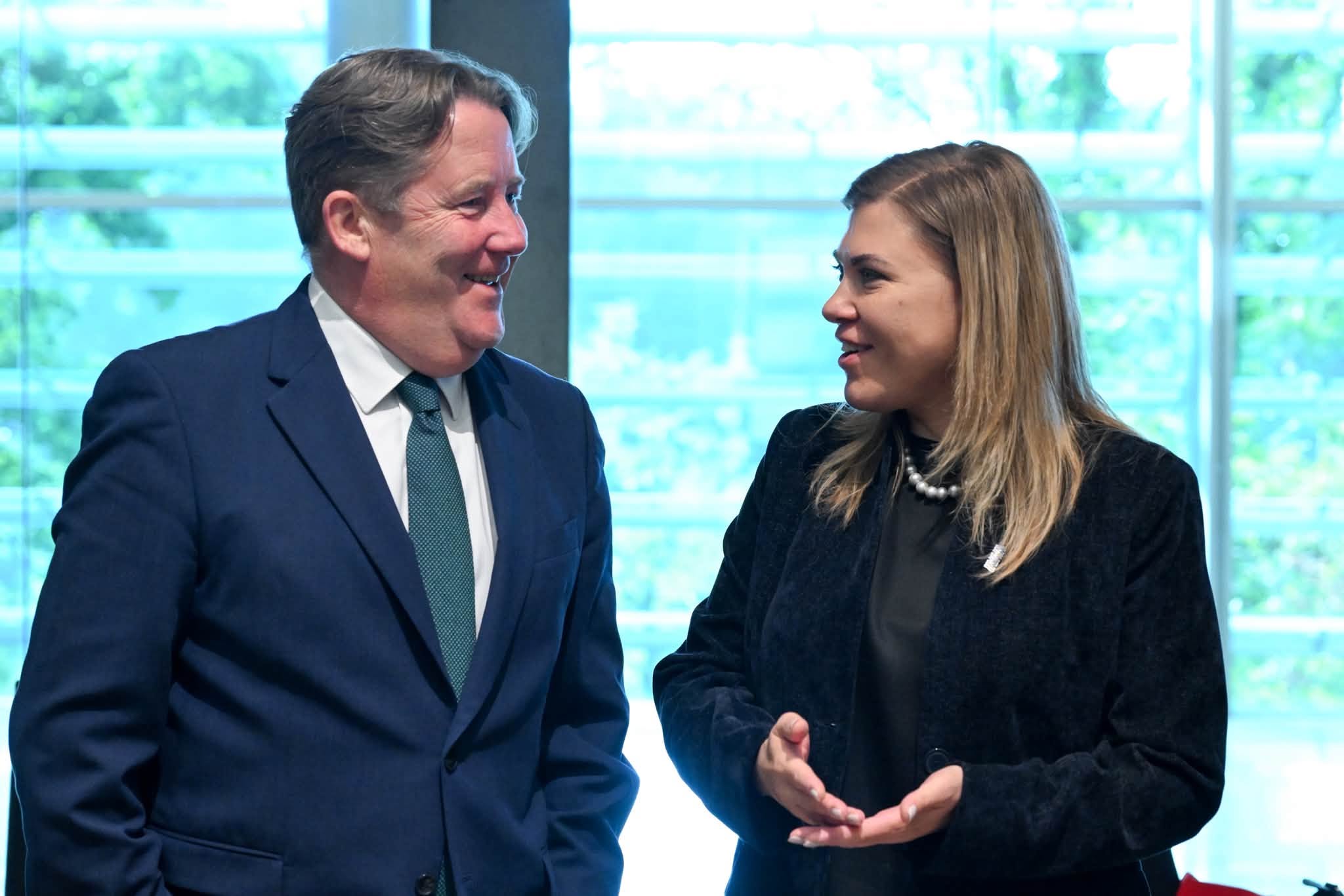
EU environment ministers meeting in Luxembourg on 12 October discussed the review of the EU Emissions Trading System and the application of nature protection requirements. Ministers also adopted Council conclusions setting out the EU’s common position for international climate and biodiversity negotiations. Lithuania was represented by Minister of Environment Ieva Andriulaitytė.
“The review of the emissions trading system should drive innovation and investment in industry while safeguarding its international competitiveness. Businesses also need clear rules to plan long-term investments in reducing emissions. When setting new requirements, we must assess whether the necessary technologies are available to all businesses and how we can help companies adopt innovative solutions. We need to achieve real reductions in emissions while avoiding adverse effects on consumers,” said Minister Andriulaitytė.

Review of the EU Emissions Trading System
The review aims to help achieve the EU’s 2040 climate targets. Companies covered by the system must hold enough allowances to cover all their greenhouse gas emissions and purchase any additional allowances they need on the market. The total number of allowances is gradually reduced, so investing in cleaner technologies also helps companies reduce their spending on allowances.
Lithuania called for stronger measures to respond more quickly to sharp rises in allowance prices in exceptional circumstances. This would help prevent unexpected cost increases from undermining industrial competitiveness. The Minister also stressed that support for exporting industries should not reduce Member States’ revenue from allowance auctions. These funds are needed to finance national measures to reduce emissions. In discussions on extending the system, Lithuania supported the proposal to phase in emissions allowance requirements for companies incinerating non-hazardous waste from 2031.
Nature protection and defence projects
During discussions on the Birds and Habitats Directives, ministers considered how to simplify procedures and strengthen competitiveness while maintaining the current level of nature protection. Lithuania proposed simplifying assessments for low-risk projects. This would allow authorities to focus on projects with potentially greater environmental impacts and help ensure the quality of assessments. The Minister also proposed examining ways to align the assessment exemptions relevant to defence projects under the Environmental Impact Assessment Directive and the Habitats Directive.

Lithuania also raised the assessment of defence projects when calling for amendments to the Espoo Convention. Under the Convention, cross-border consultations with neighbouring countries are required where a project may have environmental effects beyond national borders. These procedures can delay strategically important defence projects. In Lithuania’s case, consultations would also be required with Belarus. The Minister therefore called on EU Member States to support a proposal to introduce an exemption for defence projects under the Espoo Convention.
Financing wastewater treatment
The Council also discussed implementation of the Urban Wastewater Treatment Directive. Under the Directive, pharmaceutical and cosmetics manufacturers will be required to contribute to the cost of removing micropollutants from wastewater. In line with its established position, Lithuania supported Poland and highlighted the potential impact on access to medicines and healthcare budgets. Lithuania expects the European Commission to assess the proposed measures and clearly set out the next steps in implementing the Directive to reduce legal and practical uncertainty.
Last updated: 13-10-2026
Related news:
€884 million to lower heating bills and improve transport in Lithuania’s regions
Lithuania aims to reduce barriers to the circular economy during its EU Council Presidency
Lithuania’s Social Climate Plan aims to improve living conditions for vulnerable people
Baltic States and Poland strengthen cooperation on implementing energy and climate plans