

Environment Minister: Europe’s competitiveness and climate neutrality must be pursued together
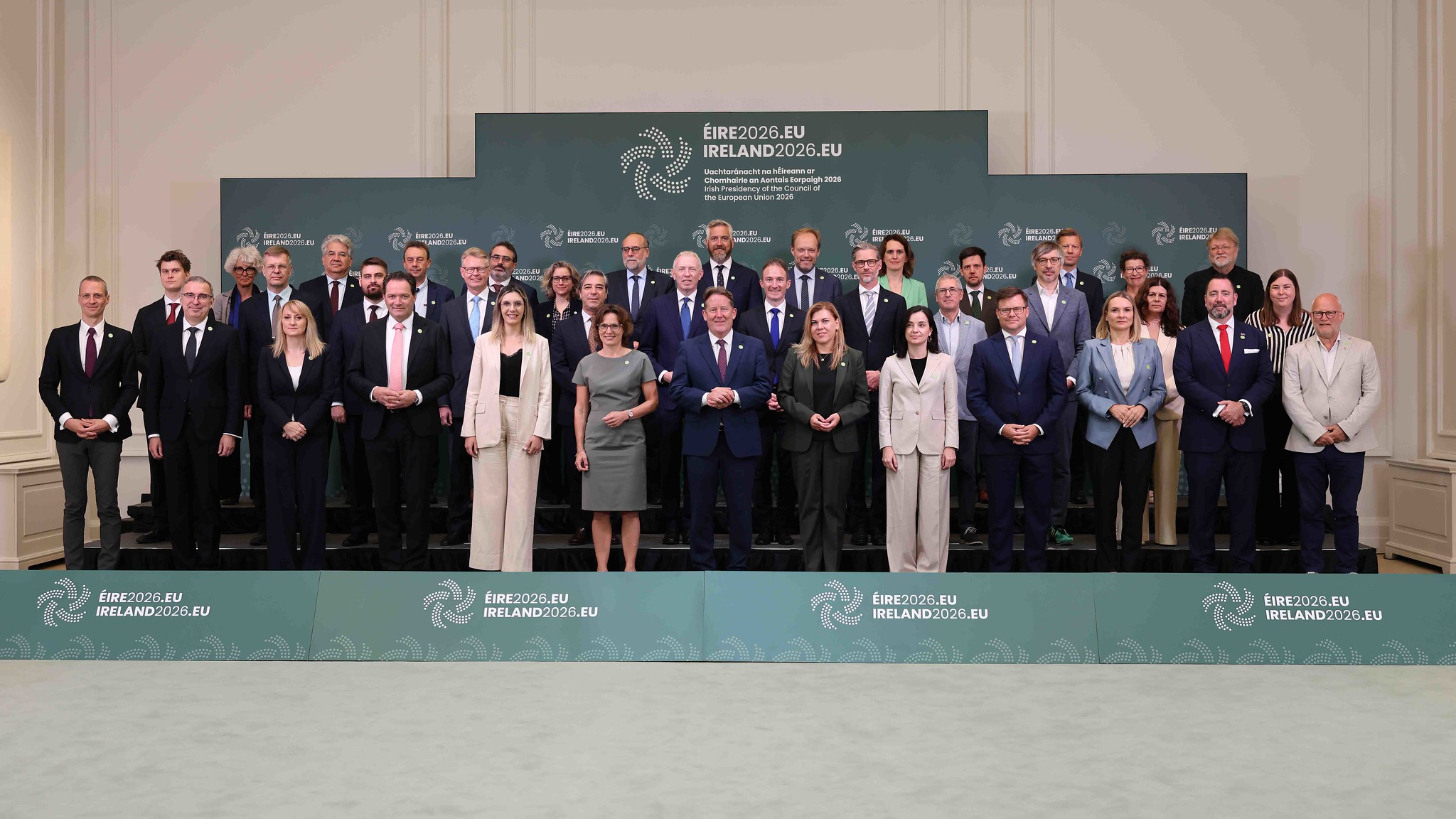
On 24 July, Minister of Environment Ieva Andriulaitytė took part in a meeting of European Union (EU) environment and climate ministers organised by Ireland, which currently holds the Presidency of the Council of the EU. Across three working sessions, ministers discussed aligning the competitiveness of European industry with climate objectives, the EU’s preparations for international climate negotiations, and the role of the circular economy in strengthening Europe’s resilience.
“The transition to climate neutrality and the competitiveness of European industry must advance together. Investment in electrification, energy storage, grids and clean technologies reduces dependence on fossil fuels, strengthens energy security and helps ensure more stable energy prices,” said Minister of Environment I. Andriulaitytė.

On industrial transformation, the Minister pointed to the need for a stable and predictable EU Emissions Trading System. Lithuania considers that the system should provide clear long-term conditions for investment, while financial support for strategic decarbonisation projects should be more accessible across all Member States.
During the discussion on international climate policy, Lithuania set out three priorities for COP31: faster reductions in greenhouse gas emissions, increased climate finance through a broader donor base, and further progress on climate adaptation. I. Andriulaitytė also called for more consistent EU diplomatic engagement throughout the negotiating cycle and for decisions grounded in the latest scientific evidence.
In the session on the circular economy, Lithuania called for a stronger secondary raw materials market, expanded recycling capacity and increased demand for recycled materials. Improving the collection and recycling of rare earth elements, cobalt and lithium contained in waste electrical and electronic equipment would keep more valuable resources in the European economy and reduce dependence on external suppliers.
The forthcoming Circular Economy Act should establish clear and harmonised rules, streamline permitting for recycling and remanufacturing activities, and strengthen green public procurement.
Last updated: 28-07-2026
Related news:
Lithuania’s Social Climate Plan aims to improve living conditions for vulnerable people
Baltic States and Poland strengthen cooperation on implementing energy and climate plans
Key provisions of the EU Packaging and Packaging Waste Regulation now apply
Algirdas Pieniuta takes office as Vice-Minister of Environment