

EU housing ministers discuss housing affordability and financing at informal meeting
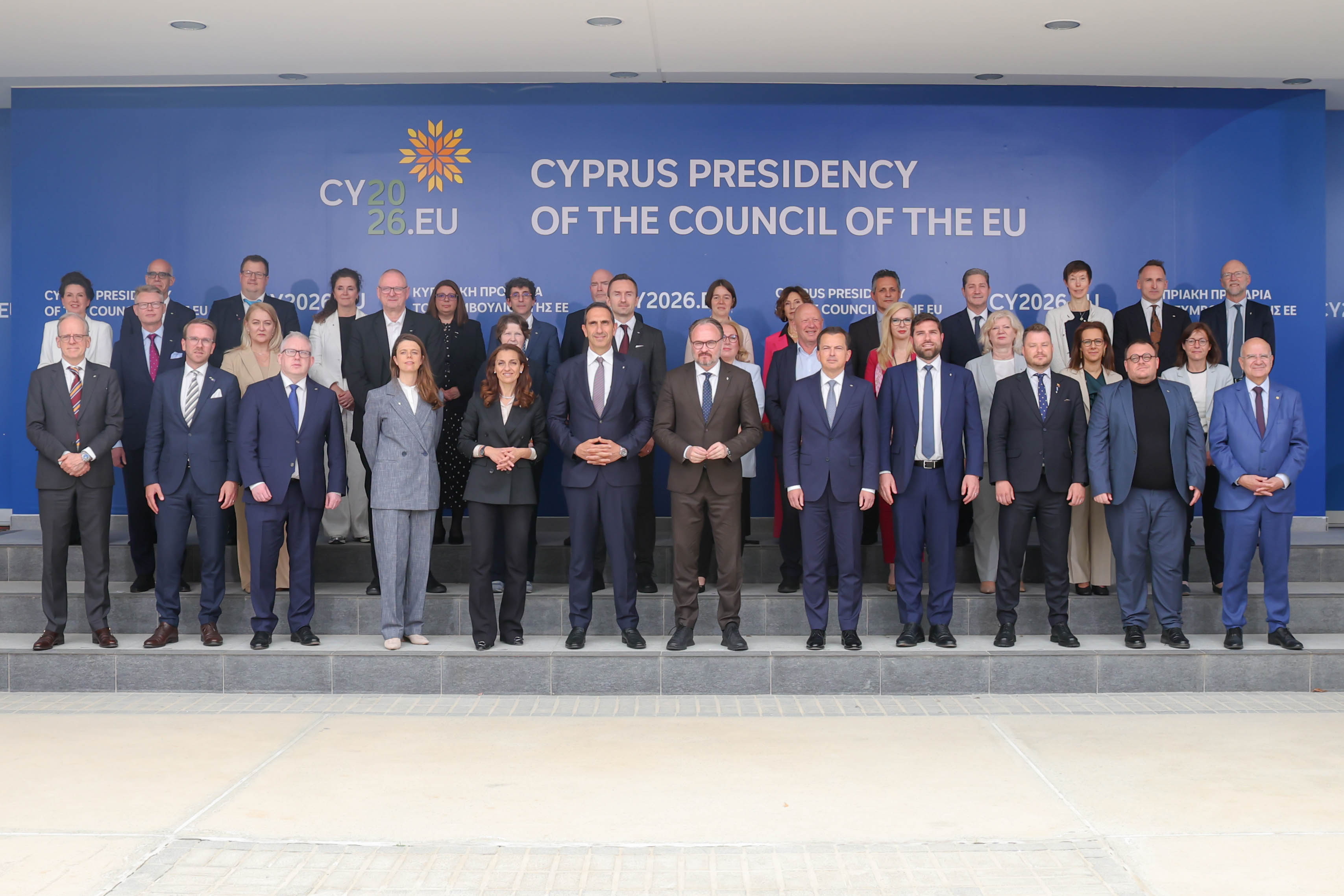
On 12 May, the informal meeting of European Union housing ministers in Nicosia, Cyprus, focused on ways to increase housing supply, accelerate renovation, simplify administrative procedures and attract more investment in sustainable and affordable housing.
Lithuania was represented by Minister of Environment Kastytis Žuromskas, who emphasised that housing affordability is one of the most pressing social and economic challenges across the EU. Over the past decade, housing prices in the EU have risen by more than 60 per cent, while supply has failed to keep pace with growing demand.
“To increase housing supply and accelerate renovation, procedures must become faster and clearer. The problem often lies not in the requirements themselves, but in the way they are implemented. We must therefore reduce administrative burdens, project risks and costs,” said Minister of Environment Kastytis Žuromskas.
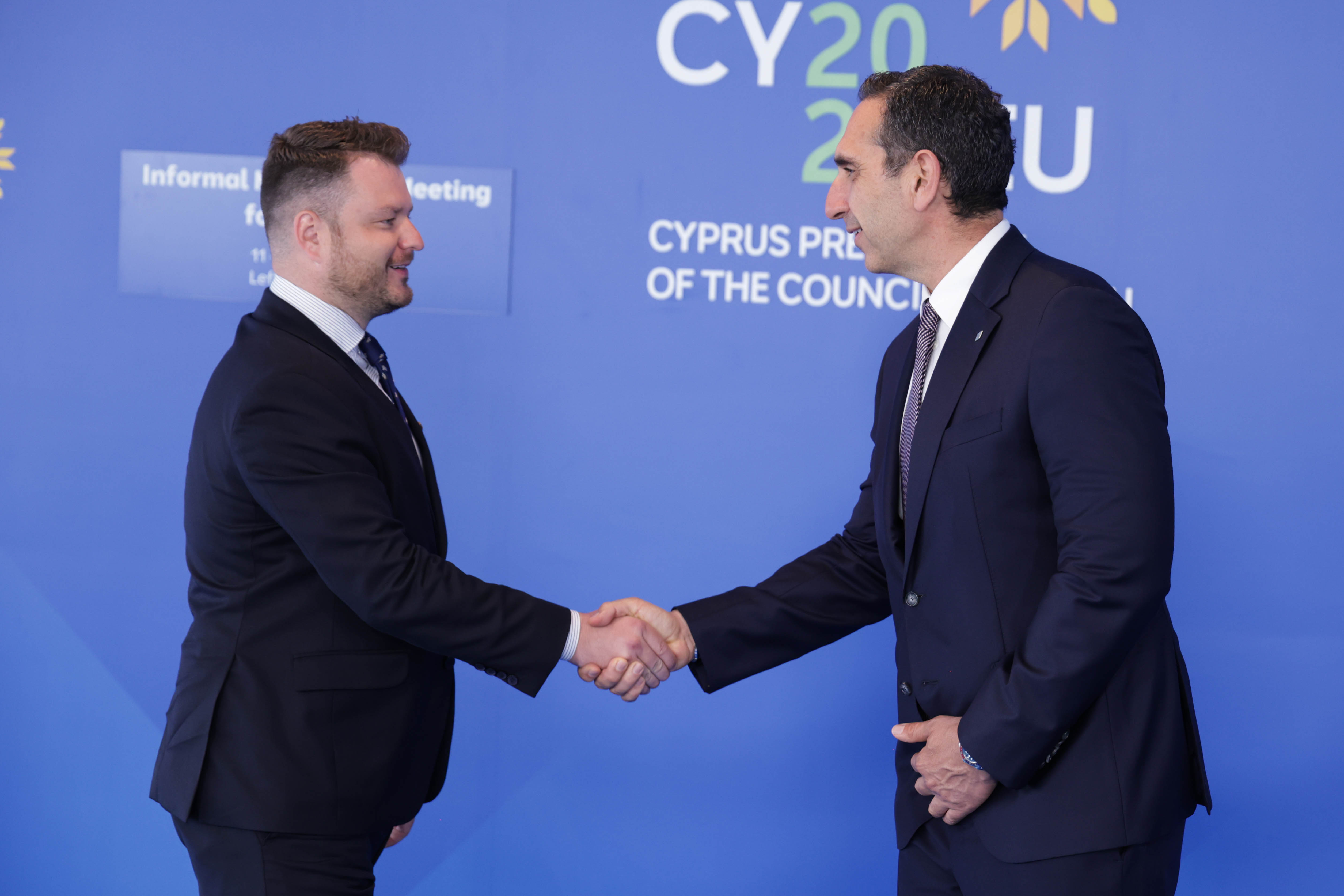
Lithuania noted that it is working to improve the efficiency of housing development and renovation by refining spatial planning, project approval and building permit procedures, strengthening coordination between institutions and expanding the use of digital solutions. The importance of open data, digital spatial planning tools, Building Information Modelling technologies, automated approval processes and one-stop-shop systems was also emphasised.
The meeting noted that more effective use of digital solutions could significantly reduce the time required to prepare projects and issue permits, ease the administrative burden on municipalities and provide greater certainty for investors.
The mobilisation of investment was also discussed as an important means of accelerating housing development and renovation. According to the European Commission, the EU would require approximately EUR 150 billion in additional investment each year to address the shortfall in housing supply and renovation. Lithuania presented its experience with multi-apartment building renovation as a practical financing model combining public support with preferential loans.
“Lithuania’s experience shows that the most effective models are those in which grants and financial instruments work together. Grants help reduce the financial burden, while loans and other instruments make it possible to increase the scale of investment. However, financing alone is not enough. Projects must be well prepared, administered within a clear framework and ready for implementation,” said Minister Žuromskas.
The ministers also discussed the forthcoming pan-European investment platform for affordable and sustainable housing. The platform is expected to help Member States make better use of available funding sources, gain a clearer overview of possible financing instruments and strengthen project development. It is also intended to encourage smaller initiatives to be combined into larger projects that are more attractive to investors.
“It is important for Lithuania that new European instruments are flexible and adaptable to national systems. In our view, their greatest added value would lie not in replacing existing schemes, but in supporting the development of new municipal and affordable housing projects, identifying appropriate financing solutions and attracting additional investment,” said the Minister of Environment.
Last updated: 26-06-2026
Related news:
Lithuania’s Social Climate Plan aims to improve living conditions for vulnerable people
Baltic States and Poland strengthen cooperation on implementing energy and climate plans
Key provisions of the EU Packaging and Packaging Waste Regulation now apply
Algirdas Pieniuta takes office as Vice-Minister of Environment