

European Commission publishes recommendations to promote the return of small electronics: Ministry of Environment will look for ways to implement them
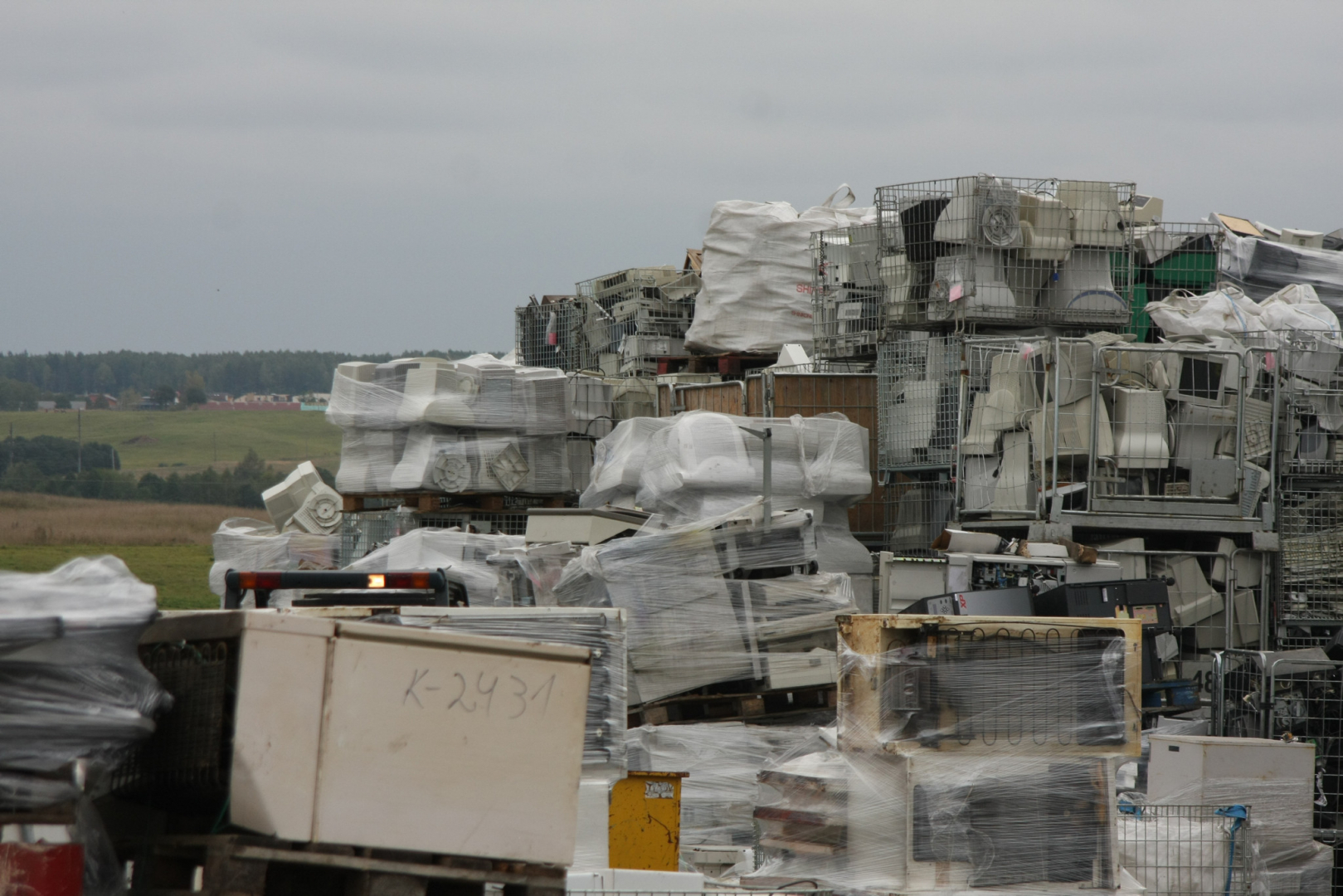
Member States are being encouraged to take action to promote the return of used mobile phones, tablets, laptops, chargers, and other electronic waste. The Ministry of Environment urges individuals not to store these unwanted electronics at home but to turn them in for reuse, repair, or recycling.
The European Commission is proposing the use of financial incentives to drive this process. These incentives may include discounts, vouchers, deposit return schemes, or cash rewards. These incentives should be applicable to small consumer electronics that are no longer functional but are retained at home and to small consumer electronics that are still in working order and can be resold, reused, or repaired.
Another recommendation is to simplify the process of returning these items by expanding the use of postal services for returning unwanted mobile phones, tablets, and laptops, along with their associated waste. This can be achieved by providing pre-paid envelopes or labels for consumers to return their devices.
Simultaneously, it is crucial to raise public awareness and enhance the convenience and visibility of collection points where small electronics can be returned. Information about the nearest collection points can be added to maps, search tools, and apps. Collection points should also inform individuals that all personal data stored on their devices will be appropriately managed and deleted.
Furthermore, there is a proposal to promote collaboration between organizations involved in the reuse of small electronics and collection system operators.
Currently, the collection rate for these small electronics across the EU is remarkably low. For instance, less than 5% of mobile phones are collected, resulting in 700 million unused mobile phones and their waste being stored in households. In addition, 49% of EU citizens retain their old mobile phones when purchasing new ones.
It is important to note that mobile phones, tablets, laptops, and their accessories contain numerous valuable materials, such as rare metals in smartphone magnets, cobalt in batteries, indium in screens, and tantalum, gallium, and precious metals in printed circuit boards. Approximately half of the materials in computers consist of various metals, and copper wires are used in their circuitry.
Promoting the repair, reuse, and recycling of small electronics will foster the shift towards a circular economy and contribute to resource and raw material conservation.
As a reminder, electronic waste can be taken to any establishment that sells electronic appliances and equipment with a similar purpose to the products sold there. Residents can also deposit electronic devices with outer dimensions of less than 20 cm into collection boxes in larger supermarkets at no cost.
Additionally, residents have the option to bring their electronic waste to bulky waste collection sites or to specialized electronic waste collection points established by producers and importers, all free of charge. Moreover, discarded electronics can be handed over to electronic waste management companies, which may offer compensation for items with market value. For residents of the Vilnius and Kaunas regions, disposing of electronic waste is made even more convenient through the option of calling a waste taxi for direct transportation from their homes.
Last updated: 20-10-2023
Related news:
Lithuania’s Social Climate Plan aims to improve living conditions for vulnerable people
Baltic States and Poland strengthen cooperation on implementing energy and climate plans
Key provisions of the EU Packaging and Packaging Waste Regulation now apply
Algirdas Pieniuta takes office as Vice-Minister of Environment