

Eurostat review shows Lithuania’s progress in water quality and renewable energy
Eurostat’s 2026 review of the European Union’s (EU) progress towards the Sustainable Development Goals shows positive results for Lithuania in water quality and renewable energy. Lithuania has one of the lowest nitrate concentrations in groundwater in the EU, and its share of energy from renewable sources is above the EU average.
In 2015, the United Nations adopted 17 Sustainable Development Goals to be achieved by 2030. The EU has also committed to meeting these goals. Eurostat assesses the EU’s progress each year using 102 social, economic and environmental indicators.
Lithuania has one of the lowest nitrate concentrations in groundwater among EU countries. In 2023, the concentration was 5.7 mg/l, the fourth lowest in the EU. The EU average was 18.1 mg/l, and the limit for drinking water was 50 mg/l. Lower nitrate concentrations indicate less groundwater pollution from nitrogen compounds and a lower risk to drinking water quality.
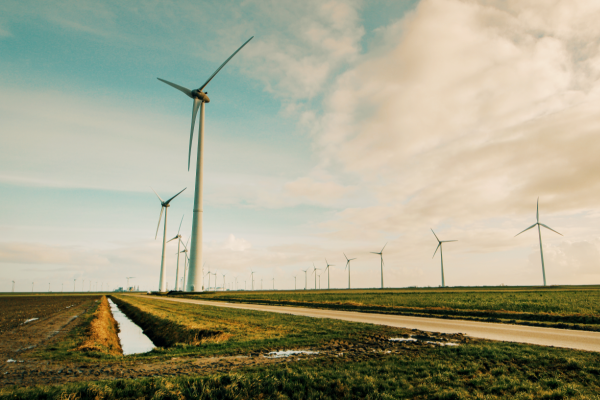
Lithuania also exceeds the EU average in renewable energy. The share of energy from renewable sources increased between 2019 and 2024, reaching 35.4% in 2024, compared with the EU average of 25.2%. This indicator measures the proportion of gross final energy consumption supplied by solar, wind and hydropower, biomass and other renewable sources. The EU aims to increase this share to at least 42.5% by 2030.
Across the EU, progress has also been recorded in the more efficient use of resources. Since 2019, the material footprint, which measures the amount of raw materials needed to meet EU consumption, has decreased by 7.1%. The consumption of hazardous chemicals has fallen by almost one fifth, and energy productivity has increased by 19%.
The EU’s net greenhouse gas emissions decreased between 2019 and 2024. Average carbon dioxide emissions per kilometre from new passenger cars also fell by 27.1%. However, economic losses caused by extreme weather and climate events increased during the same period.
Trends in other EU environmental indicators were mixed. Average nitrate concentrations in groundwater and organic pollution in rivers decreased, and the area covered by protected terrestrial sites and forests increased. However, drought affected a larger area of ecosystems, more river water bodies exceeded the permitted pesticide concentration limits, and populations of common birds and grassland butterflies declined.
Lithuania recorded less favourable results in passenger transport. In 2023, passenger cars accounted for the largest share of inland passenger transport in the EU. Buses and trains together accounted for the smallest share. The indicator is based on the total distance travelled by passengers using each mode of transport, meaning that longer journeys have a greater effect on the result.
The Eurostat review does not provide an overall ranking of EU countries. However, its common methodology makes it possible to track changes in water quality, energy, climate, resource use, transport, pollution and biodiversity indicators and to assess Lithuania’s position within the EU.
The full Eurostat 2026 review of the EU’s progress towards the Sustainable Development Goals is available here.
Last updated: 14-07-2026
Related news:
Lithuania’s Social Climate Plan aims to improve living conditions for vulnerable people
Baltic States and Poland strengthen cooperation on implementing energy and climate plans
Key provisions of the EU Packaging and Packaging Waste Regulation now apply
Algirdas Pieniuta takes office as Vice-Minister of Environment