

Lithuania and Poland seek joint solutions to strengthen climate resilience
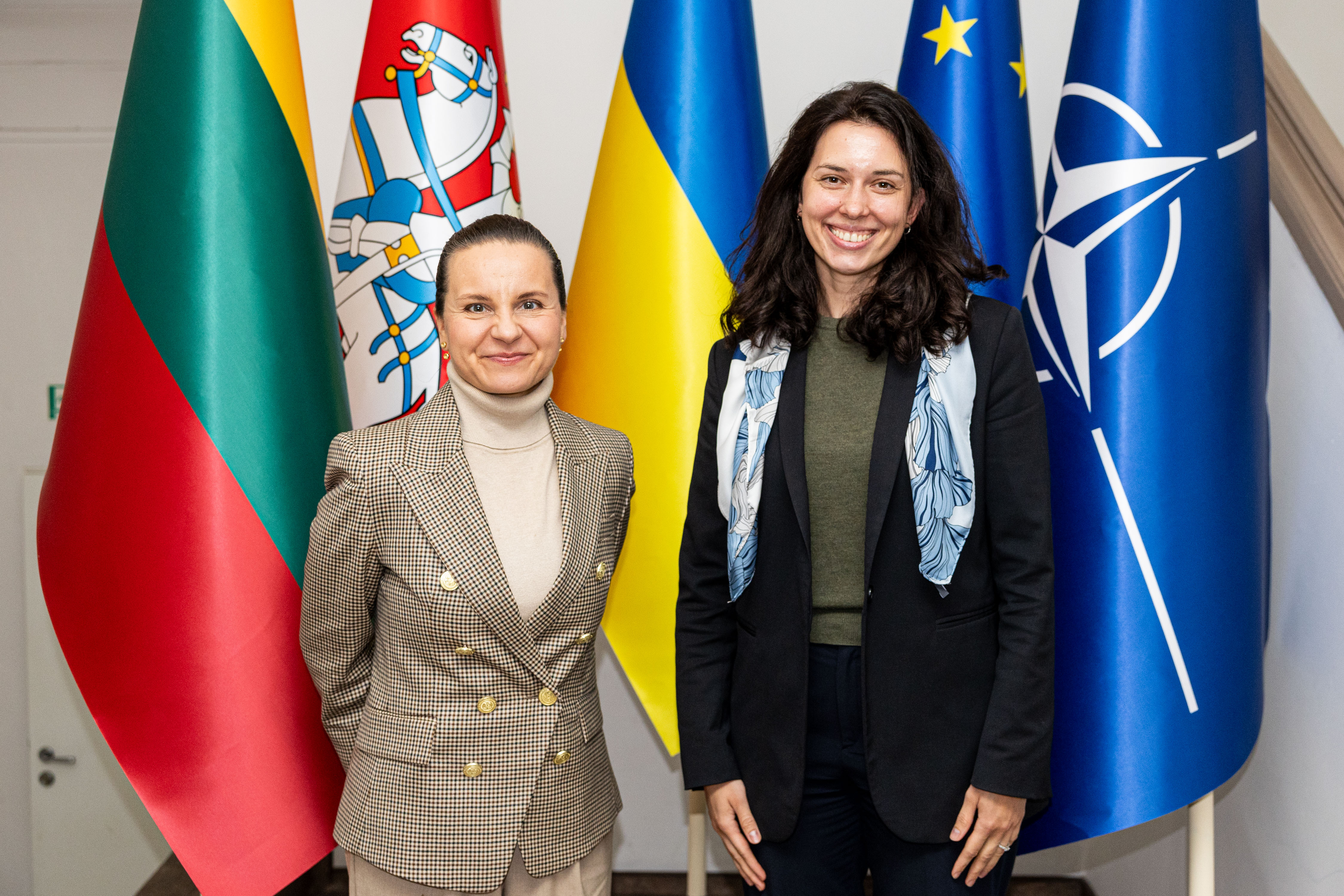
On 8 July, Vice-Minister of Environment Aira Paliukėnaitė met in Vilnius with Poland’s Deputy Minister of Climate and Environment Urszula Zielińska and representatives of the Polish Ministry of Climate and Environment. The bilateral meeting covered climate resilience, water resource management, nature restoration and security in border regions. The two countries also discussed practical cooperation between experts and measures to improve preparedness for extreme climate events.
“The effects of climate change are increasingly evident in droughts, floods, the risk of wildfires and growing pressure on ecosystems. Adaptation measures must therefore extend beyond individual areas. Poland’s experience in applying water retention measures at landscape level is valuable to Lithuania, particularly when considering which measures could be used in border regions. Such measures can restore natural ecosystems, strengthen resilience to extreme events and improve public safety. In border regions, they could be complemented by the Green Shield initiative, combining nature conservation, climate resilience and national defence objectives,” said Vice-Minister of Environment Aira Paliukėnaitė.
The Šešupė river valley was discussed as a possible location for the Green Shield initiative, where natural water retention and nature restoration measures could be tested in practice. Lithuanian and Polish experts are already exchanging information and will continue to examine possible technical solutions and joint initiatives.
The vice-ministers also discussed the European climate resilience and risk management framework currently under development. Lithuania considers that the framework should help countries prepare for climate-related risks, improve risk assessment and make long-term decisions based on reliable data, without creating additional administrative burdens.
The meeting also addressed options for financing biodiversity protection. The participants discussed a nature credit scheme that could encourage businesses to invest voluntarily in nature restoration and the development of resilient ecosystems. The LIFE BIO-CRED Baltic project, due to begin in the Baltic States in autumn 2026, will help assess these issues in practice. It will examine the methodologies and monitoring tools needed to evaluate nature restoration outcomes reliably and link them to additional financing.
The discussions continued the following day at the forum “Poland and Lithuania: Together Towards a Green Future”, held at the Embassy of Poland in Vilnius and attended by Vice-Minister Paliukėnaitė. The forum focused on cooperation between Lithuania and Poland in developing and introducing climate- and environmentally friendly technologies.
A panel discussion on climate resilience, nature-based and technological solutions, and security covered the two countries’ climate policy priorities, municipal preparedness, water management, the role of innovation and practical measures to reduce the effects of extreme events on the public.
The event also presented Lithuania’s green technology ecosystem, examples of cooperation between businesses, researchers and municipalities, and Poland’s GreenEvo green technology accelerator programme. The programme helps Polish green technology companies introduce their solutions to foreign markets and develop international partnerships.
Last updated: 14-07-2026
Related news:
Lithuania’s Social Climate Plan aims to improve living conditions for vulnerable people
Baltic States and Poland strengthen cooperation on implementing energy and climate plans
Key provisions of the EU Packaging and Packaging Waste Regulation now apply
Algirdas Pieniuta takes office as Vice-Minister of Environment