

New proposals to regulate mercury discharges discussed at Minamata COP-5
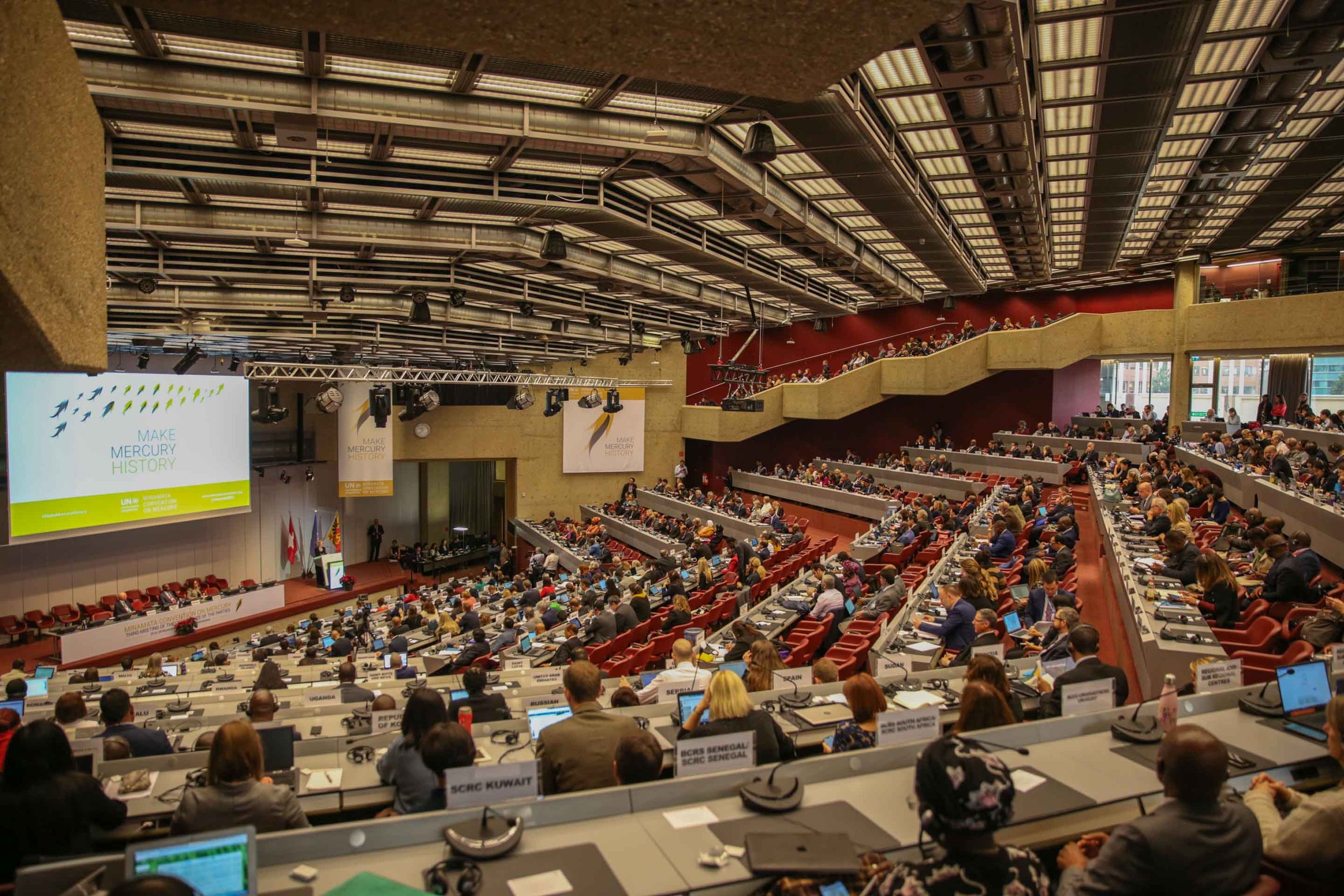
From October 30 to November 3, 2023, the 5th Meeting of the Conference of the Parties to the Minamata Convention on Mercury (COP-5) took place in Geneva. The conference addressed various critical issues, including the regulation of mercury releases into the environment, environmental monitoring of mercury, management of mercury-containing wastes, and more. Representatives from the Ministry of the Environment also participated in this significant event.
A particular area of interest for Lithuania during the conference pertains to the contributions to the Convention's fund, crucial for the Minamata Convention's budget for 2024-2025. In discussions related to the draft decision on the adoption of the new budget, Lithuania advocated for a zero-growth option compared to the 2022-2023 budget. This implies maintaining the Convention's operating costs at the same level as the previous period, without any increase in contributions from member countries to the Convention funds.
Other notable discussions included proposed amendments to the Annexes of the Convention. These amendments aimed to expand the scope of the Convention's regulation to include more mercury-containing products, restricting their manufacture, import, and export. Additional proposals addressed further restrictions and the phased-out use of dental amalgam, still employed in dental fillings. The meeting also delved into proposed methods for the management of mercury waste, alongside discussions on procedures for evaluating and monitoring the effectiveness of the Convention and preparing national reports.
The Minamata Convention, ratified by 147 countries, including Lithuania and the European Union, strives to safeguard human health and the environment from mercury and its compounds emitted by human activities. Ratifying countries share a common commitment to globally protect human health and the environment from the adverse effects of mercury emissions into the air, water, and land due to human activities. The Convention aims to reduce mercury emissions and their impact on human health and the environment, with the ultimate goal of eliminating mercury release into the environment as a result of human activities. This involves regulating all stages of the mercury life cycle, including extraction, recycling, product use, production processes, air emissions, water and land discharges, waste management, and the remediation of mercury-contaminated land, wherever feasible.
Last updated: 07-01-2024
Related news:
Lithuania’s Social Climate Plan aims to improve living conditions for vulnerable people
Baltic States and Poland strengthen cooperation on implementing energy and climate plans
Key provisions of the EU Packaging and Packaging Waste Regulation now apply
Algirdas Pieniuta takes office as Vice-Minister of Environment