

Separate sorting of food waste from 1 January
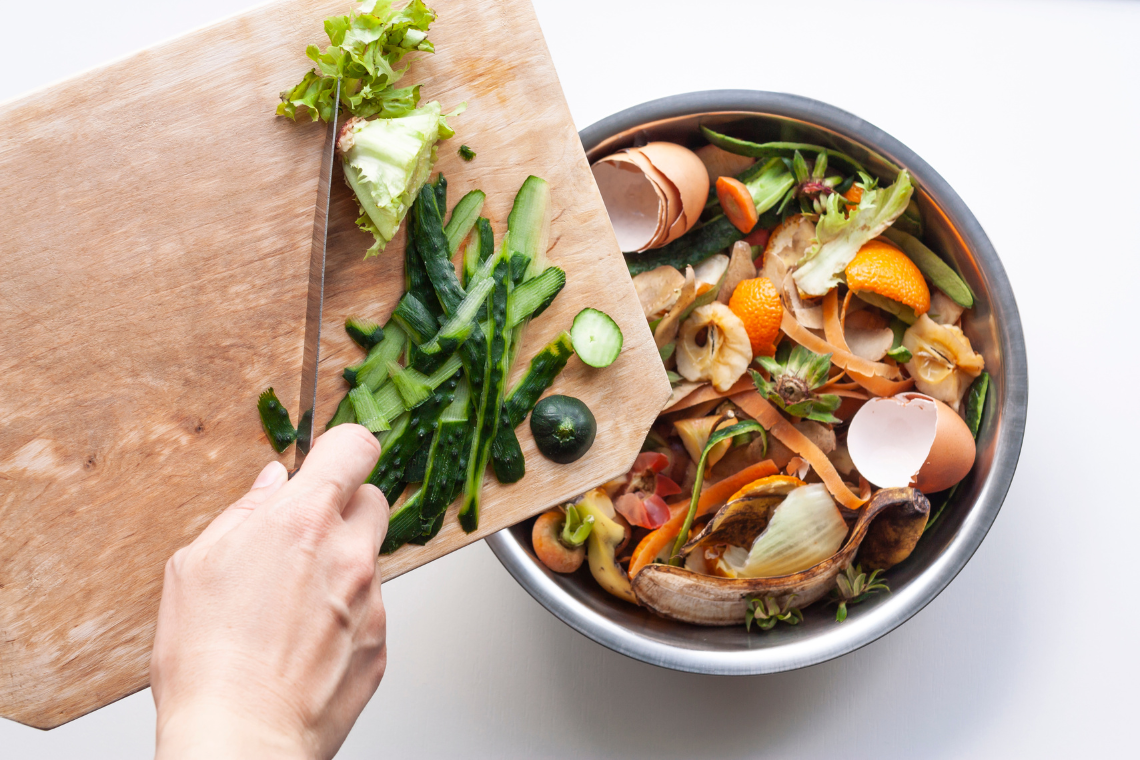
Starting from January 1, 2024, Lithuanians will be required to separate food and kitchen waste, in compliance with the Waste Framework Directive mandated by the European Union. This directive necessitates the separate collection or composting of bio-waste, encompassing biodegradable waste from gardens, parks, and food and kitchen waste from various sources such as households, offices, retail, wholesale, and catering establishments, beginning in 2024.
Most municipalities will initiate the separate collection of food and kitchen waste from January 1, 2024, in adherence to the Waste Framework Directive. However, certain municipalities may experience delays due to preparations such as acquiring collection equipment and finalizing contracts with service providers.
The Klaipėda Regional Waste Management Centre will commence the collection of sorted food waste in Klaipėda City, Neringa, and Klaipėda District Municipality from February 5, 2024. Palanga will implement separate waste collection from April, and Šilutė from May. Meanwhile, the Kaunas Regional Waste Management Centre, covering Kaunas City, Kaunas District, Kėdainiai District, Kaišiadorys District, and Jonava District, will initiate sorted food waste collection from September 1, 2024. In rural areas like Rietavas, home composting will be promoted, encouraging residents to use specially designed bins for their household bio-waste. In the Marijampolė region, separate waste collection is planned from July 1, 2024.
All municipalities share the common goal of collecting 65% of the total municipal waste generated in 2024 through separate collection.
Collected food waste, including plant-based and kitchen waste (peelings, apple peelings, coffee grounds, rotten fruit, used paper towels, paper coffee filters, used tea bags), will undergo mechanical and mechano-biological treatment. Some new plants in municipalities like Panevėžys, Utena, Klaipėda, Šiauliai, Tauragė, Alytus, and Telšiai will extract gas from food and kitchen waste, composting the remaining substrate or the food waste directly.
According to the National Waste Prevention and Management Plan 2021-2027, municipalities must provide urbanized areas with over 2,000 inhabitants with facilities for collecting biological waste or composting at the source by 2024. Approximately 71,000 food and kitchen waste containers and 46,000 composting facilities are expected to be constructed by the end of this year, with €8.3 million allocated from EU and national budgets for these purchases.
Each municipality will establish its own procedures for collecting and sorting food and kitchen waste. Vilnius municipality, for example, has opted for the use of orange plastic bags for food waste collection, which will then be separated from mixed municipal waste containers. In regions like Tauragė, during the transitional period until the completion of waste treatment plants, food and kitchen waste from apartment blocks will be collected in bags placed in mixed waste containers. In other regions, food and kitchen waste will be collected in individual or shared containers, allowing disposal in plastic bags, paper bags, or without bags directly into the containers.
Presently, Alytus and Panevėžys municipalities, as well as Molėtai, Utena, Anykščiai, and Skuodas, already practice separate collection of food and kitchen waste. In Šiauliai, a pilot project in September collected approximately 2,600 kg of food waste. Immediate separation of food and kitchen waste helps maintain cleanliness and allows the resulting compost or digestate to be used as fertilizer, as opposed to contaminating mixed municipal waste containers with fine particles of plastic and glass, rendering the material suitable only for landfill cover layers.
Last updated: 07-01-2024
Related news:
Lithuania’s Social Climate Plan aims to improve living conditions for vulnerable people
Baltic States and Poland strengthen cooperation on implementing energy and climate plans
Key provisions of the EU Packaging and Packaging Waste Regulation now apply
Algirdas Pieniuta takes office as Vice-Minister of Environment