

Simonas Gentvilas stresses the need for a new treaty on plastic pollution, increasing renewable energy capacity at the European Ministerial Meeting
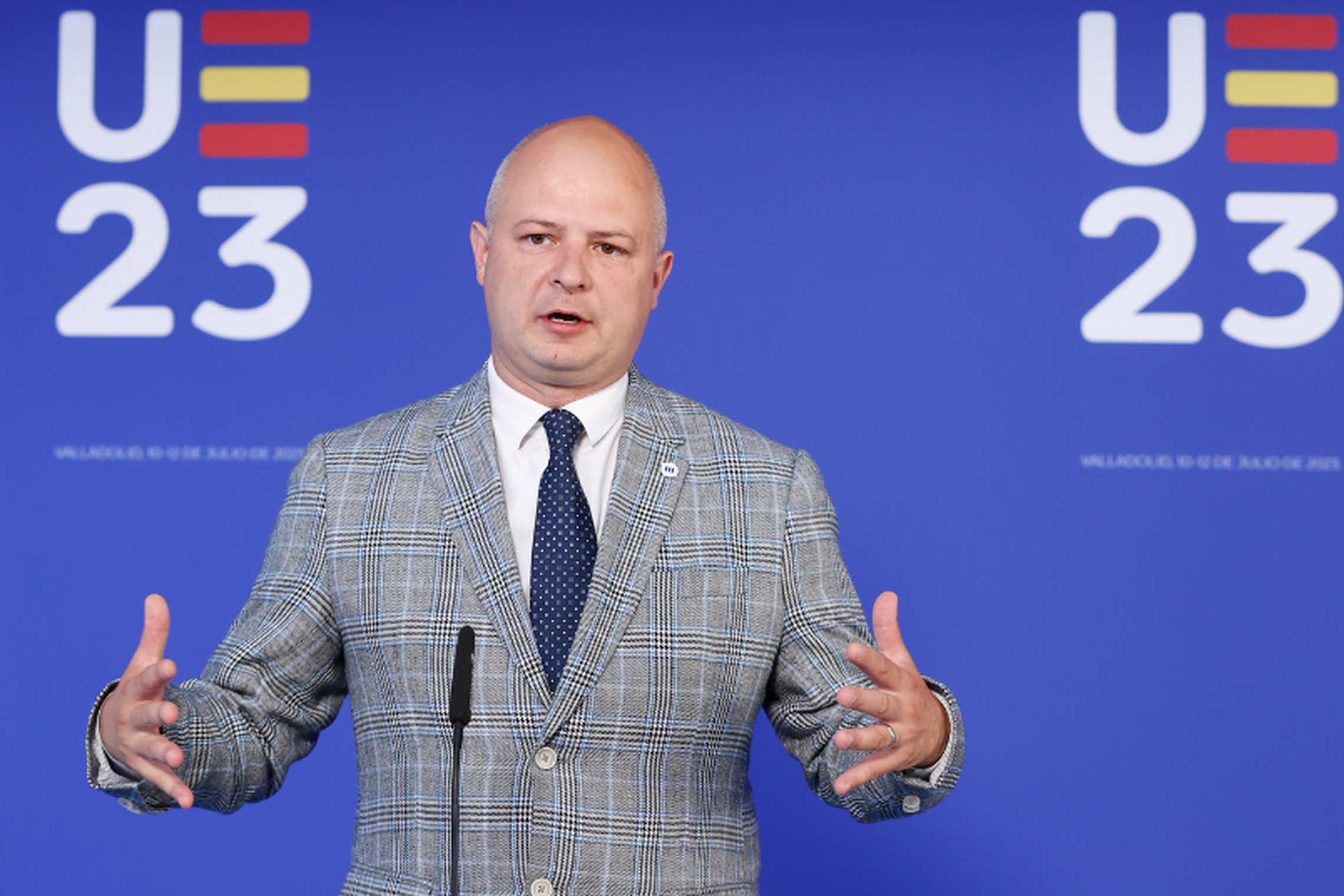
On July 10-11, Environment Minister Simonas Gentvilas attended an informal meeting of EU Environment Ministers in Spain to discuss challenges Europe currently faces in the areas of water, forests, biodiversity, and soil. They also addressed the issue of marine litter and discussed the deployment of renewable energy sources.
Renewable energy capacity must triple
Environment ministers focused on finding the right balance between deploying renewable energies and conserving biodiversity, emphasizing the essential role of renewable energies in greening energy. Minister Gentvilas highlighted the importance of renewable energy for countries' energy independence, particularly in the context of the Ukrainian war. He shared Lithuania's success in accelerating renewable energy projects, making changes to national legislation a year ago. In 2022 alone, decisions on environmental impact assessments were made for 197 wind farms with a total installed capacity of around 1,370 MW. To expedite solar power plant development, standardized environmental requirements were implemented, saving months of permitting procedures for each project.
Environment and Energy Ministers met in Spain to discuss preparations for COP28, the world's largest climate change conference, aiming to adopt decisions that align with climate change targets. Despite efforts since the Paris Agreement, emissions increased by 0.9% from the energy sector last year. To meet climate change targets, experts estimate that annual renewable energy capacity needs to triple compared to 2022, reaching 1,200 GW/year by 2030. Minister Gentvilas stressed that technology today provides the necessary tools to ensure clean energy use and achieve a digitalized and integrated internal market for energy in allied countries.
"Last week, Lithuania generated more electricity in one hour than it consumed, primarily from wind and solar power plants. This historic moment is proof that we are heading in the right direction and serves as an incentive to keep working hard to ensure a significant increase in our energy from renewable sources," said Simonas Gentvilas.
It's not about plastic, it's about plastic pollution
Ministers also discussed countries' priorities in stopping plastic pollution in seas and inland waters. Last April, Member States voted in favor of limiting the use of microplastics deliberately added to products. The European Commission is seeking solutions to unintentional microplastics release in the European Green Deal and the new Circular Economy Action Plan. Minister Gentvilas emphasized the need for a new global treaty outlining uniform measures to reduce plastic pollution in seas and oceans, acceptable to all countries.
"The EU requirement that plastic bottles must contain recycled materials is a good example of market demand for circular materials. Lithuanian companies successfully use recycled PET content to produce PET bottles. The effective collection of plastic waste needs promotion and acceleration for recycling into quality products suitable for food contact. A deposit return system for single-use beverage packaging, including PET, has been successfully operating in Lithuania since 2016. Lithuania has shared the success of this system with more than 20 stakeholders worldwide. In 2019, Lithuania introduced a ban on the free distribution of lightweight plastic shopping bags at points of sale. From the beginning of this month, we banned the free distribution of very lightweight plastic bags. Consequently, more consumers are rethinking the necessity of putting each product in a separate bag," shared Simonas Gentvilas with his European colleagues, noting that while the EU has adopted significant legislation to reduce water and marine pollution, continued progress is necessary, especially in monitoring inland water plastic and microplastics pollution and conducting further research on the impact on human health and the environment.
An example of successful synergies between different areas
Ministers also discussed biodiversity, soil, water, and how to jointly manage crises in these areas. Minister Gentvilas pointed to Lithuania's national decarbonization process as a successful example of cross-sectoral synergies. "One of the best examples of how we integrate sectoral and environmental policies is the creation of five sectoral decarbonization working groups for energy and buildings, transport, industry, agriculture and forestry, waste and circular economy. With the participation of more than 280 social partners, we received around 600 proposals for measures to achieve Lithuania's 2030 climate change mitigation target. Of these, 126 were included in the updated National Energy and Climate Action Plan," shared the Lithuanian Environment Minister.
In discussions with European Environment Ministers, Simonas Gentvilas also highlighted the proposal for a Regulation on Nature Restoration. "Lithuania sees this proposal as an important initiative to halt biodiversity loss, contribute to climate change management, and implement international commitments. The regulation will provide integrated systemic management of soil, water, and forests and guarantee their integrated protection. The objectives of the Regulation align with Lithuania's interests and will provide the necessary impetus for nature conservation. We believe that the European Parliament will adopt a positive position on this important EU document, and legislators will continue negotiations on the provisions of the Regulation," said the Lithuanian Environment Minister.
Last updated: 09-01-2024
Related news:
Lithuania’s Social Climate Plan aims to improve living conditions for vulnerable people
Baltic States and Poland strengthen cooperation on implementing energy and climate plans
Key provisions of the EU Packaging and Packaging Waste Regulation now apply
Algirdas Pieniuta takes office as Vice-Minister of Environment