

Baltic Environment Ministers discuss peatland restoration and the Urban Waste Water Treatment Directive
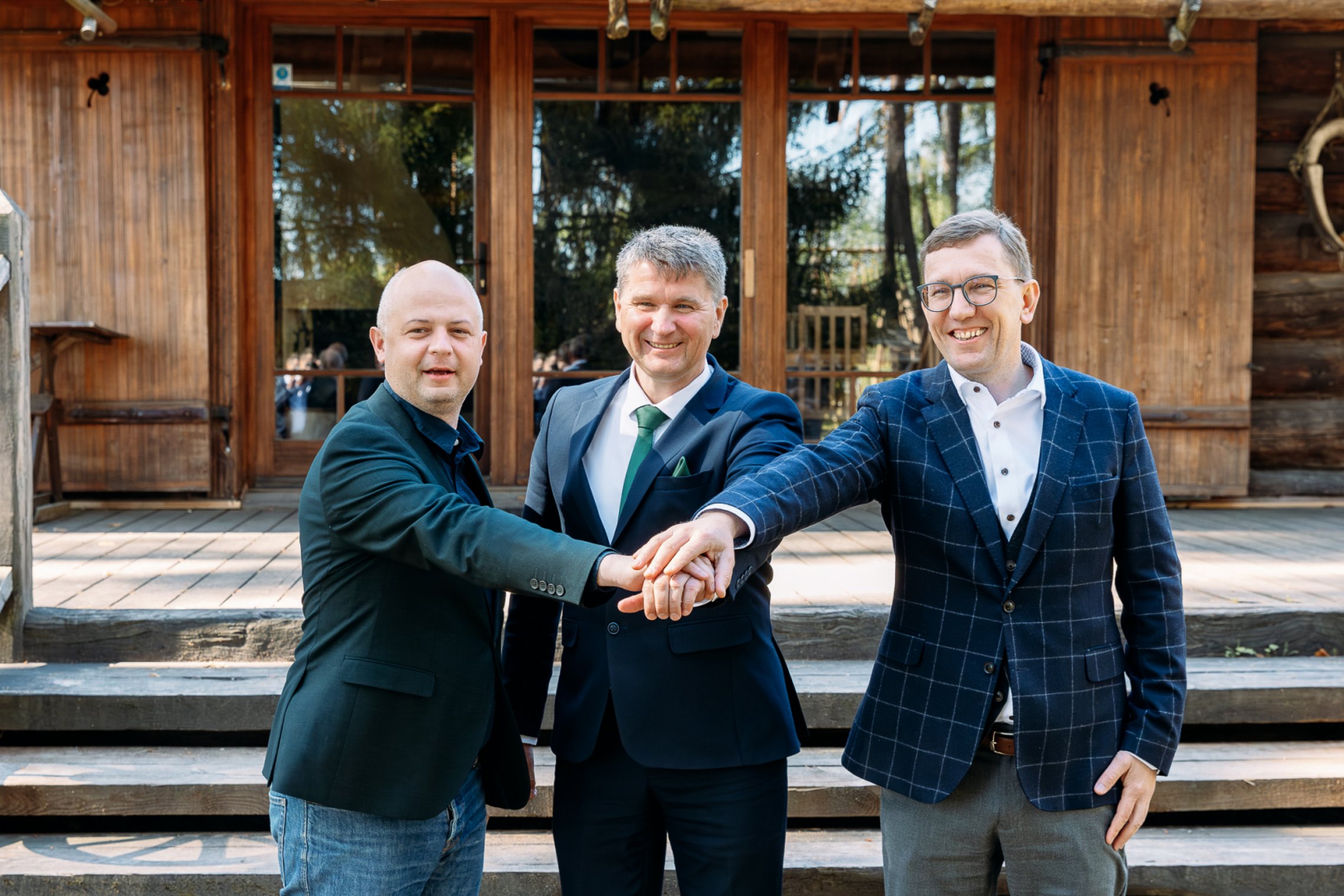
On May 18-19, Baltic Environment Ministers gathered in Latvia to discuss topics such as nature restoration, urban wastewater treatment, recycling, prevention of packaging waste, and renewable energy development.
The Baltic Council of Ministers convened with the participation of Lithuanian Environment Minister Simonas Gentvilas, Latvian Environment and Regional Development Minister Māris Sprindžuks, and Estonian Environment Minister Kristen Michal, along with their respective delegations.
Peatland protection and peatland rewetting emerged as the most debated topic. The restoration of peatlands previously used for agriculture, along with the maintenance of terrestrial and marine habitats' good condition, remained a central concern for Lithuania, Latvia, and Estonia. The ministers coordinated their positions to establish common ground ahead of the EU Environment Council meeting in June.
Throughout nearly a year of negotiations, Lithuania advocated for striking a balance between the ambitious targets outlined in the Nature Restoration Regulation and the practical opportunities for achieving them. Baltic ministers explored how the Regulation's provisions could ensure the preservation of habitats in good condition, improvement of those in poor condition, and the development of crucial projects in areas such as energy and military infrastructure, both on land and at sea.
Another topic of discussion was the Urban Waste Water Treatment Directive. Ministers deliberated on potentially expanding the Directive's scope by mandating all smaller agglomerations to connect to centralized wastewater collection systems by December 31, 2030. Concerns were raised about the financial burden this obligation would impose, especially for agglomerations with populations of 1000 GE (population equivalent) or more. Lithuania questioned the justification for such a proposal, emphasizing the need for a risk-based assessment. Lithuanian experts proposed allowing agglomerations between 1000 and 2000 GE to use individual wastewater treatment systems more widely, with stricter requirements limited to new or reconstructed treatment plants.
The Parties found broad agreement on proposals for the Packaging and Packaging Waste Regulation, aiming to reduce packaging waste. This involves limiting unnecessary packaging, especially in sectors like hotels, retail, and restaurants, and obliging companies to offer a certain percentage of their products in reusable or refillable packaging. While Lithuania welcomes these changes, it highlights the importance of considering national circumstances and existing systems when adopting requirements for packaging collection and reusable packaging.
The meeting also addressed streamlining environmental impact assessment procedures for renewable energy installations, challenges related to the transboundary assessment for Baltic Sea wind farms, and potential avenues for cooperation.
Lithuanian representatives shared their country's experiences in promoting wind farm and solar park development. They provided insights into the revised legal framework for environmental impact assessment procedures, changes to spatial planning regulations, and the potential for developing hybrid power plants.
Last updated: 09-01-2024
Related news:
Lithuania’s Social Climate Plan aims to improve living conditions for vulnerable people
Baltic States and Poland strengthen cooperation on implementing energy and climate plans
Key provisions of the EU Packaging and Packaging Waste Regulation now apply
Algirdas Pieniuta takes office as Vice-Minister of Environment