

Environment Council agrees on stricter requirements for urban waste water treatment
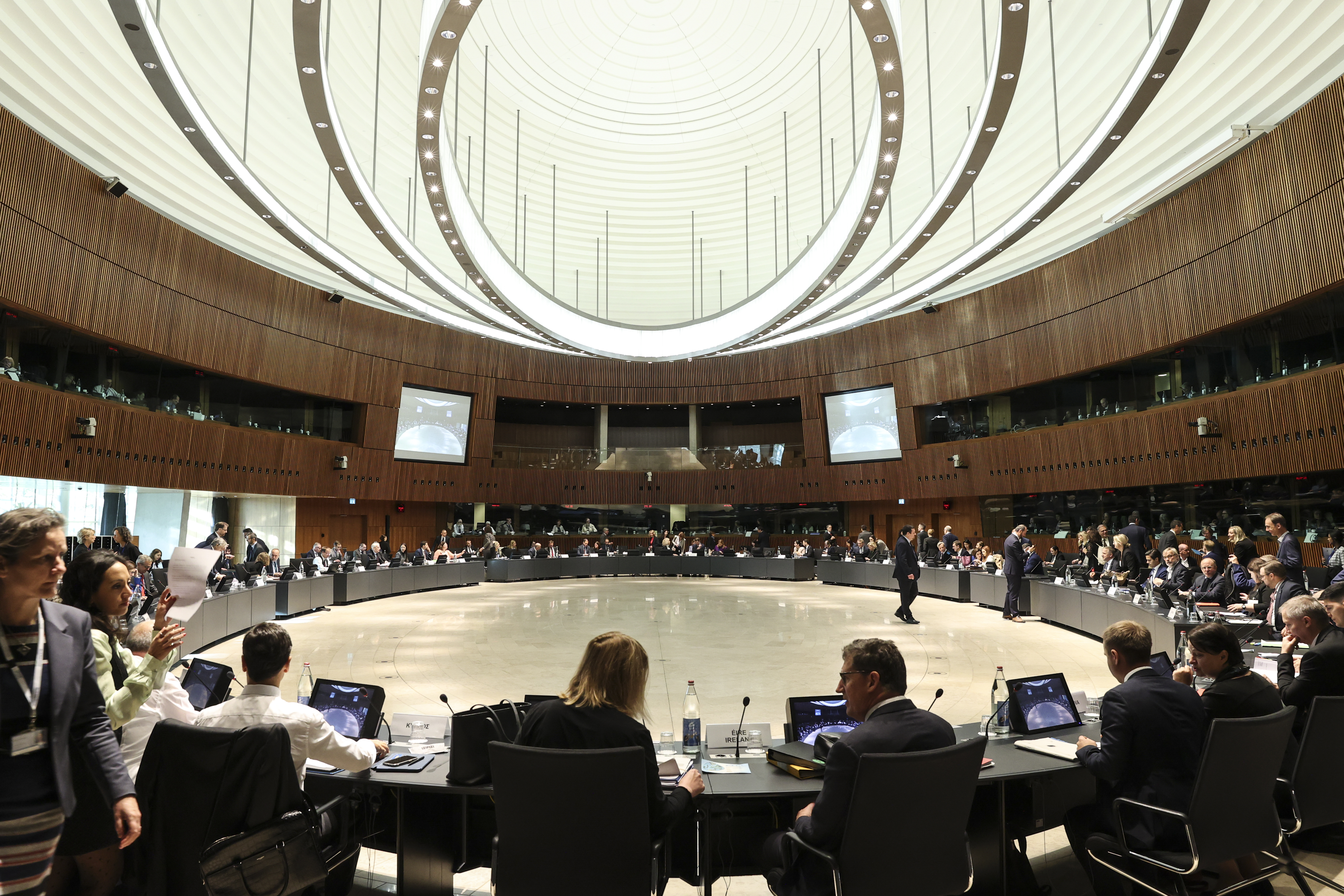
Environment ministers reached a general agreement on the Urban Waste Water Treatment Directive and on the Regulation on carbon dioxide emission standards for heavy-duty vehicles. The agreements were reached at the Environment Council of the European Union on Monday.
The revised Urban Waste Water Treatment Directive will establish requirements for the collection, treatment, and discharge of urban wastewater to safeguard the environment and human health. The Directive also seeks to enhance the energy efficiency of urban wastewater collection and treatment processes and ensure transparency within the urban wastewater sector.
The Directive introduces a new mandate, requiring agglomerations with more than 1,250 inhabitants to implement a centralized wastewater collection system by the end of 2035, a change from the current requirement for agglomerations with over 2,000 inhabitants. It also enforces stricter criteria for nitrogen and phosphorus removal from wastewater systems, introduces new mandates for the treatment of micropollutants, and increases the responsibility of producers to contribute to the costs of micropollutant treatment.
While Lithuania generally supports these new initiatives, Kęstutis Šetkus, Vice-Minister of the Environment, has highlighted that the requirement to install a centralized wastewater collection system in agglomerations with more than 1,250 inhabitants would impose a significant financial burden on Lithuania. Šetkus stated, "Considering Lithuania's geographical and demographic context and migration trends in smaller settlements, the impact of such wastewater collection systems is sometimes negligible in terms of pollution reduction and prevention and is not justified from an economic perspective."
Lithuania's position, as presented at the Environment Council meeting, emphasizes that these provisions should apply to agglomerations with a population of 1,500 or more, and the implementation period should be extended until 2045.
Regarding the application of the extended producer responsibility principle for financial contributions to the removal of micropollutants, the Vice-Minister pointed out that this could lead to increased medicine costs, disruptions in production and supply, and reduced medicine availability. He proposed implementing this principle in a separate EU-level instrument aligned with EU pharmaceutical legislation or making it non-binding on Member States.
The primary objective of the updated Regulation on CO2 emission standards for heavy-duty vehicles is to contribute to the 2030 target of at least a 55% reduction in greenhouse gas emissions and achieve climate neutrality by 2050 by cost-effectively reducing CO2 emissions from heavy-duty vehicles in accordance with EU climate goals.
This Regulation establishes more stringent CO₂ emission reduction targets for new heavy-duty vehicles in 2030 (increasing from 30% to 45%), 2035 (65%), and 2040 (90%). By 2030, all new urban buses must be electric, although biomethane buses will be permitted on a limited basis with European Commission approval, a provision of great significance to Lithuania due to significant investments in biomethane-powered public transport.
Once EU ministers have agreed on these two pieces of legislation, negotiations with the European Parliament will commence.
Last updated: 19-10-2023
Related news:
Lithuania’s Social Climate Plan aims to improve living conditions for vulnerable people
Baltic States and Poland strengthen cooperation on implementing energy and climate plans
Key provisions of the EU Packaging and Packaging Waste Regulation now apply
Algirdas Pieniuta takes office as Vice-Minister of Environment