

Experts discuss the environmental priorities of the next European Commission
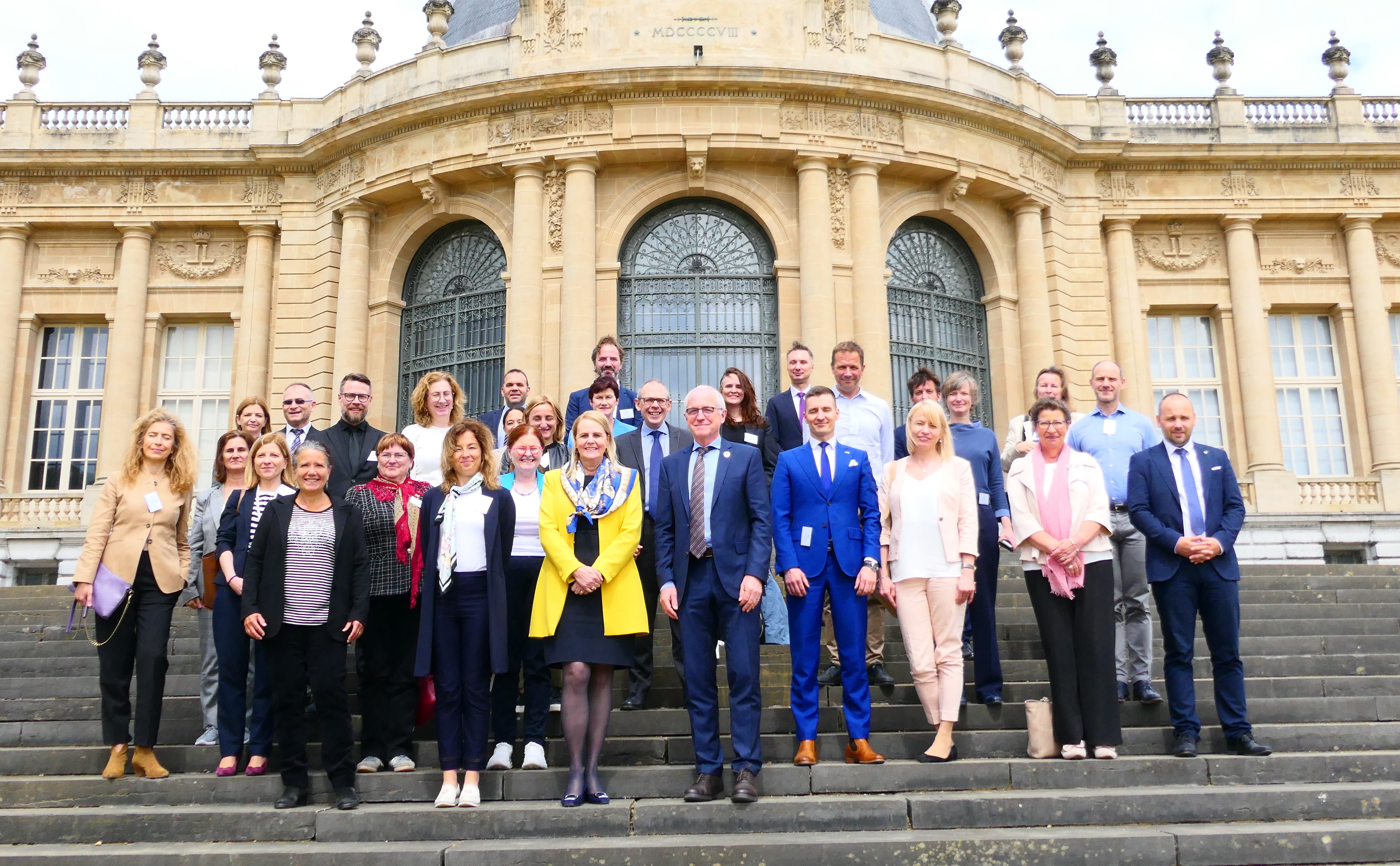
On Thursday in Brussels, a few weeks before the European Parliament elections, the EU's Directors-General for the Environment discussed the environmental priorities planned for the next European Commission and the further implementation of Europe's Green Deal.
Lithuania was represented at the meeting by Deputy Environment Minister Raminta Radavičienė.
Environmental officials discussed how to ensure the implementation of the EU Biodiversity Strategy 2030 and how to effectively utilize the available funding for this purpose.
"Lithuania is implementing structural reforms of protected areas, with a new Protected Areas Act adopted last year. This act facilitates the establishment of new protected areas and allows the creation of private protected areas. Currently, protected areas cover 18.53% of our country's territory, and discussions are underway about the potential establishment of new areas to contribute to the 30% target for protected areas," Deputy Environment Minister Radavičienė told the meeting.
She highlighted the tree planting campaigns in Lithuania as a positive example, aligning with the EU's overall target of planting an additional 3 billion trees by 2030, as outlined in the EU's biodiversity strategy.
Regarding water management issues, the Deputy Minister mentioned that the new challenges posed by climate change necessitate the introduction of water-saving technologies and sustainable water management practices to ensure water security and mitigate the effects of climate change.
Radavičienė also noted that to advance towards a circular economy, Lithuania is establishing an Observatory to foster cooperation in research and the sharing of international best practices, as well as the development of innovative solutions to accelerate the transition to a circular economy and ensure sustainable resource management.
"To deliver results in this area, we need to encourage companies to adopt circular business models. Fiscal and financial instruments can play a key role in supporting industries that use secondary raw materials to accelerate the transition to a circular economy. We need to discuss measures that can further encourage consumers to use items for longer and thus foster a culture of reuse and repair," said the Deputy Minister.
The meeting also discussed how to more effectively involve the public in the implementation of the European Green Deal.
"During the update of the National Energy and Climate Action Plan, decarbonization working groups were established, during which more than 500 proposals were received on measures to help Lithuania meet the goals of the 2015 Paris Agreement and the EU's climate change and energy policy up to 2030," said Radavičienė.
This approach allowed for innovative thinking, drawing on the expertise of both the scientific and business communities, she said. It also fostered a sense of responsibility and inclusiveness among social partners.
However, she pointed out that the EU's current efforts might not be sufficient to meet some of the future challenges of climate change. Therefore, more investment in innovation, research, and education is needed to increase the capacity to effectively tackle these challenges and strengthen the EU's global competitiveness.
Last updated: 24-05-2024
Related news:
Lithuania’s Social Climate Plan aims to improve living conditions for vulnerable people
Baltic States and Poland strengthen cooperation on implementing energy and climate plans
Key provisions of the EU Packaging and Packaging Waste Regulation now apply
Algirdas Pieniuta takes office as Vice-Minister of Environment