

Lithuanian experts assess the vulnerability of Norway's UNESCO World Heritage Sites to climate change
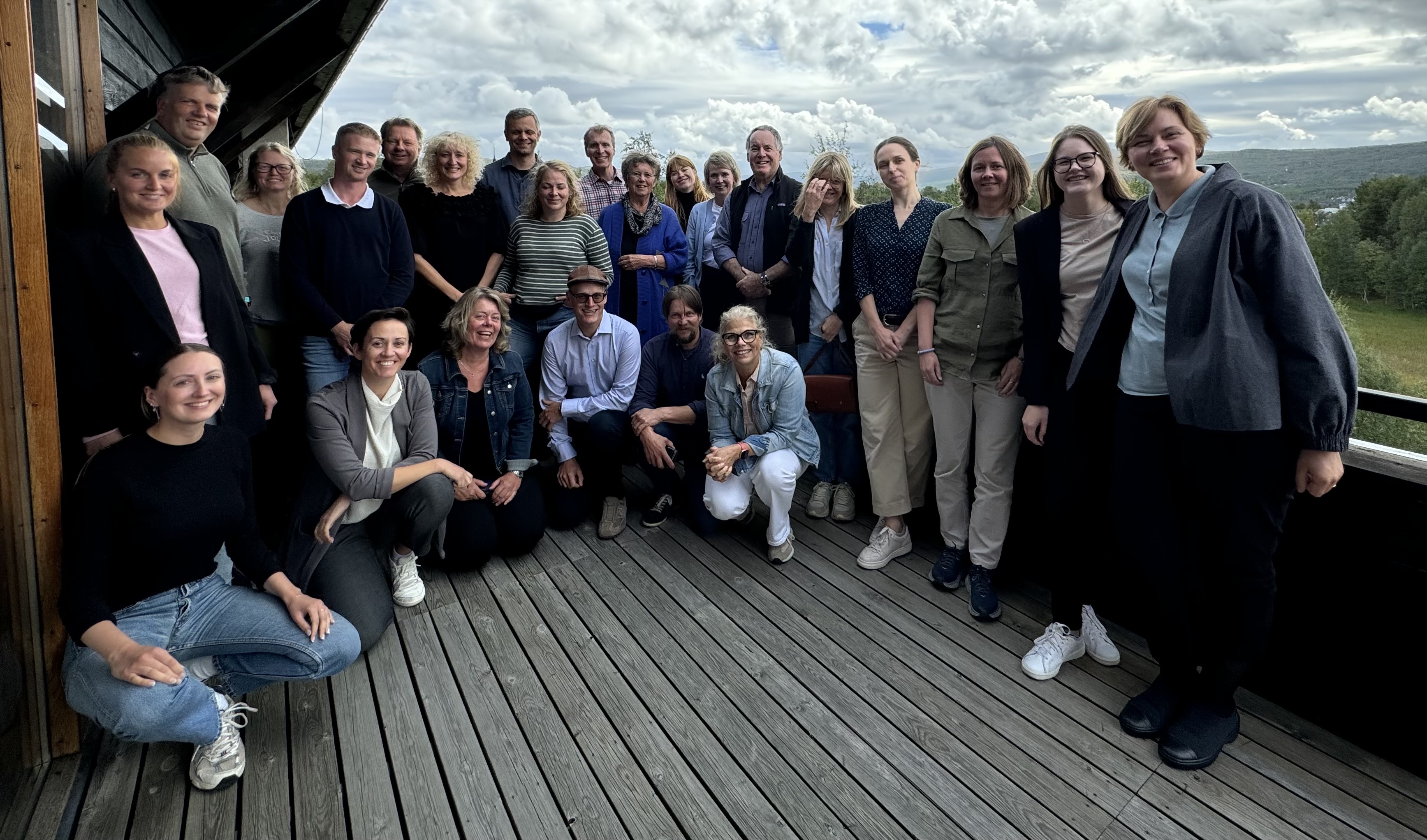
Last week, the Norwegian town of Røros hosted an event to discuss the challenges of climate change, featuring participation from Marilė Kosaitė, Chief Specialist of the Climate Policy Group of Lithuania's Ministry of the Environment, alongside representatives from the Ministry of Culture, the Lithuanian National Commission for UNESCO Secretariat, and the Curonian Spit National Park Directorate.
The Lithuanian delegation not only gained valuable insights during the workshop but also shared their own experiences and practices for combating climate change. A similar event is currently being held in the Curonian Spit this week (26-30 August). The experts’ insights into the Curonian Spit’s vulnerability will contribute significantly to strengthening the resilience of UNESCO World Heritage sites to climate change, helping preserve their unique value for future generations.
“Climate change affects cultural and natural heritage in various ways across different regions. Our workshop in Røros, attended by community members, scientists, and experts, shed light on the major threats to the cultural landscape of this World Heritage site. We are thrilled to collaborate with our Lithuanian partners to assess the vulnerability of the Curonian Spit to climate change,” said Professor Scott Heron, a co-developer of the Climate Vulnerability Index (CVI) and a UNESCO expert on heritage vulnerability to climate change.
Røros and its surrounding areas were added to the UNESCO World Heritage List in 1980 for their unique connection to copper mining and the resulting industrial cultural landscape. The town is renowned for its 17th-century one- and two-storey wooden buildings, which symbolize a thriving culture in a remote, harsh climate.
The region experiences temperatures that drop below -20°C, creating climate challenges that threaten the preservation of its unique cultural landscape. Frequent freeze-thaw cycles, wet weather, increased humidity, and rising temperatures make the wooden structures more vulnerable. Additionally, changing winter conditions, including the loss of frozen lakes and rivers that serve as essential parts of the winter transport infrastructure, present significant logistical challenges.
The Climate Vulnerability Index (CVI) methodology, developed by experts at James Cook University in North Queensland, Australia, was used to assess the area's vulnerability to climate change and plan for resilience. This tool, based on the IPCC Fourth Assessment Report, evaluates the vulnerability of both communities and World Heritage sites. It has been applied twice in Norway, for the Vega Archipelago and the historic harbour district of Bryggen.
During the workshop, it was revealed that the Røros UNESCO site faces significant threats from rising average temperatures, increased frequency of extreme precipitation, droughts, and reduced snow cover and ice thickness. These factors are altering the microclimate of the region, damaging cultural landscapes and disrupting traditional ways of life. The site's vulnerability was assessed as medium, factoring in the community’s and institutions’ capacity to adapt.
Next week, we will share the experts’ findings on the Climate Change Adaptation Index for the Curonian Spit.
The Curonian Spit, like many World Heritage sites, is increasingly affected by climate change and its related impacts, such as rising tourism, infrastructure development, and changing land use practices. These trends are expected to continue and intensify, further affecting ecosystems, communities, and cultural values as climate change progresses.
Last updated: 26-09-2024
Related news:
Lithuania’s Social Climate Plan aims to improve living conditions for vulnerable people
Baltic States and Poland strengthen cooperation on implementing energy and climate plans
Key provisions of the EU Packaging and Packaging Waste Regulation now apply
Algirdas Pieniuta takes office as Vice-Minister of Environment