

OECD highlights for a climate-neutral Lithuania: innovative technology development, tax changes
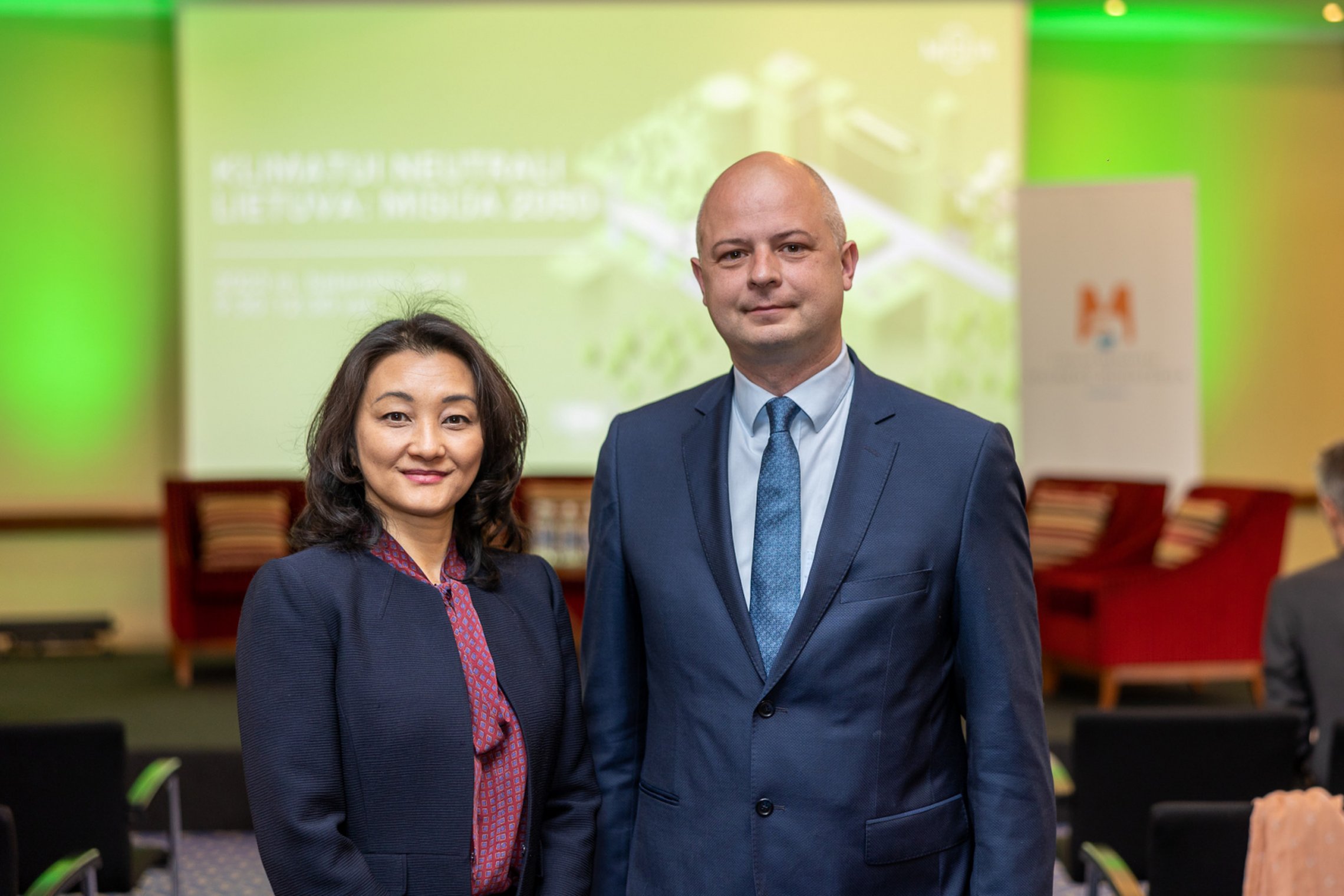
Lithuania's Environment Minister, Simonas Gentvilas, highlighted the necessity of diffusing innovative technologies, particularly in the transport and industrial sectors, for Lithuania to achieve its 2050 climate neutrality target. Addressing the conference "Climate Neutral Lithuania: Mission 2050" in Vilnius, Gentvilas emphasized the potential of deploying sustainable technologies to not only reduce greenhouse gas emissions but also create additional jobs and position Lithuania as a technology-selling country.
The conference presented policy recommendations from the Organisation for Economic Co-operation and Development (OECD) study, "Climate Neutrality by 2050 - Opportunities for Reforms in Lithuania." The study offers insights into the path and measures Lithuania should take to implement its decarbonization goals and explores the opportunities a climate-neutral economic model offers for the country.
Gentvilas stressed the importance of collaborative actions to reach the 2050 targets, emphasizing the need for economic development considerations, including tax environment evolution and changes in various sectors such as industry, agriculture, and transport. He underscored the urgency of addressing climate change today, given the inability of nature and people to adapt quickly.
The OECD study, presented by policy analysts Kilian Raiser and Herwig Immerwoll, evaluated Lithuania's climate change policy and implementation. While acknowledging Lithuania's successful decoupling of economic growth from greenhouse gas emissions, the study highlighted the country's greenhouse gas intensity from energy consumption, which remains above the EU average.
OECD experts recommended additional financial solutions, including increased environmental taxation and the phasing out of fossil fuel subsidies, to achieve Lithuania's climate goals. They emphasized the need for ambitious cross-sectoral climate change policies, especially in the transport sector, energy efficiency in buildings, the industrial sector, and agriculture.
The study proposed that carbon pricing alone would not suffice for Lithuania to achieve climate neutrality by 2050; it emphasized the essential role of innovative technologies. Targeted support to stimulate technology deployment and innovation was recommended, along with a focus on private sector investment to fill the financing gap for low-carbon infrastructure.
The study highlighted the minimal economic costs of achieving high climate ambitions if environmental taxes were adequately regulated. It emphasized the importance of expanding small capital markets regionally, attracting investor interest, tailoring financial instruments to diverse investor needs, and encouraging collaboration among local governments to achieve greater scale and lower costs.
The OECD study aims to analyze cost-effective options for Lithuania to achieve intermediate greenhouse gas reduction targets and climate neutrality by 2050, providing sector-specific decarbonization options and policy recommendations.
Last updated: 09-01-2024
Related news:
Lithuania’s Social Climate Plan aims to improve living conditions for vulnerable people
Baltic States and Poland strengthen cooperation on implementing energy and climate plans
Key provisions of the EU Packaging and Packaging Waste Regulation now apply
Algirdas Pieniuta takes office as Vice-Minister of Environment