

The Ministry of the Environment has drawn up requirements for shelters, refuges and collective protection structures
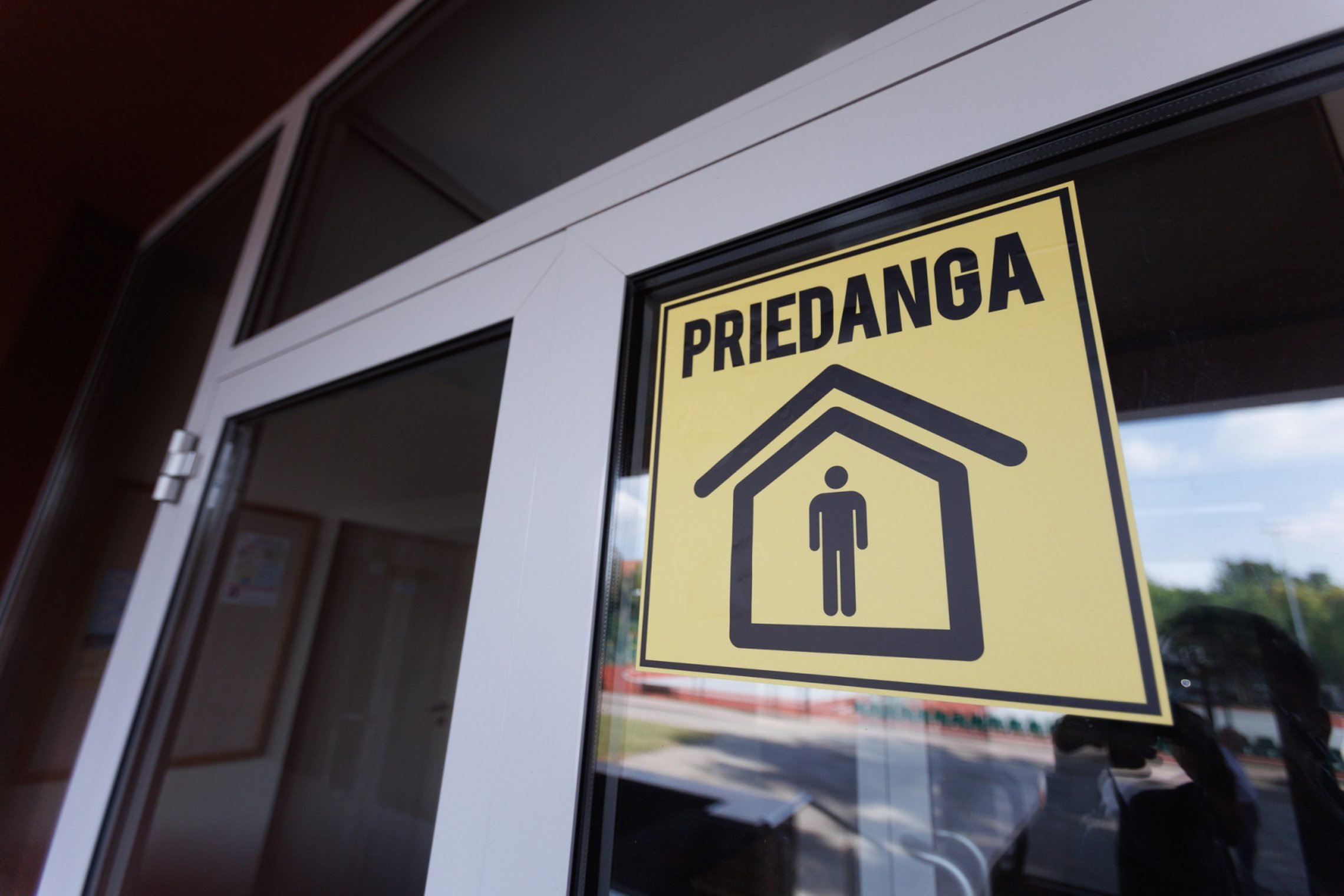
The Ministry of the Environment has developed a technical building regulation (STR) titled "Design and Installation Requirements for Shelters, Collective Protection Structures, and Shelters." This regulation outlines the minimum design and installation criteria for shelters, collective protection structures, and shelters.
The draft legislation is now available in the Legislative Acts Information System and is open for comments and suggestions until January 8, 2024. Following the consideration of received comments and suggestions, this Building Regulation is expected to be formally adopted early next year and will be applicable to new buildings in the design and construction phase.
The Law on Crisis Management and Civil Protection, effective from January 1, 2023, mandates that all new buildings intended for public use, accommodating more than 100 people simultaneously, or multi-storey buildings with more than 5 storeys, must be designed and equipped with shelters.
A shelter, as defined in this draft STR, is a structure, room, engineering installation, or another object that provides short-term protection to occupants from life- or health-threatening hazards during airborne threats, indirect fire, or other kinetic threats related to military aggression. This includes attacks from aircraft, rockets, artillery fire, blast waves, fragments, debris, or accidental bullets.
The preparation of this draft STR considered an analysis by scientists from Kaunas University of Technology on the technical standardization requirements for shelters and collective protection structures. The experiences of Finland and Sweden were analyzed, and their practices will be applied in Lithuania. Proposals were discussed with social partners, and concrete legislative suggestions were made based on the future technical requirements for these structures.
The draft STR suggests that a shelter room must be incorporated into a building used for public purposes (excluding religious purposes) that can accommodate more than 100 people simultaneously, as well as in a high-rise apartment building (more than 5 storeys). If no shelter space is allocated for these structures or their dependencies, the shelter should be designed as a separate structure, engineering installation, or another object associated with these structures.
The design and installation of the shelter are proposed to accommodate a minimum of 40% of the permanent occupants of the building, with no specified maximum area for the shelter. Accessibility to persons with reduced mobility is a requirement for the shelter entrance, which must have at least one entrance/exit and one emergency exit. The shelter should also be designed and equipped with mains electricity supply without specific reliability category requirements.
The draft STR recommends the inclusion of a heating system in the annex, and a ventilation system may be designed and installed upon the developer's preference. It is suggested to install a non-freezing water supply system with at least one water tap and a water catchment staircase in the shelters.
Additionally, the draft STR outlines requirements for shelters in structures and premises where the population will be working to ensure the continuity of state and municipal institutions and bodies during emergencies or wartime, or where the population will be engaged in assigned essential tasks.
Mandatory heating and ventilation engineering systems are proposed for shelters, designed and equipped with mains electricity from two independent power supplies and a fixed Internet connection.
The draft STR also establishes requirements for collective protection structures and premises.
It is proposed that these STR requirements be considered for the design of shelters, collective protection structures, and shelters in existing structures or premises as well.
Last updated: 07-01-2024
Related news:
Ieva Andriulaitytė takes office as Minister of Environment: “I will seek balanced solutions”
Eurostat review shows Lithuania’s progress in water quality and renewable energy
Lithuania and Poland seek joint solutions to strengthen climate resilience
Public invited to comment on planned radioactive waste facility in Belarus