

The Wildlife Care Centre is now open
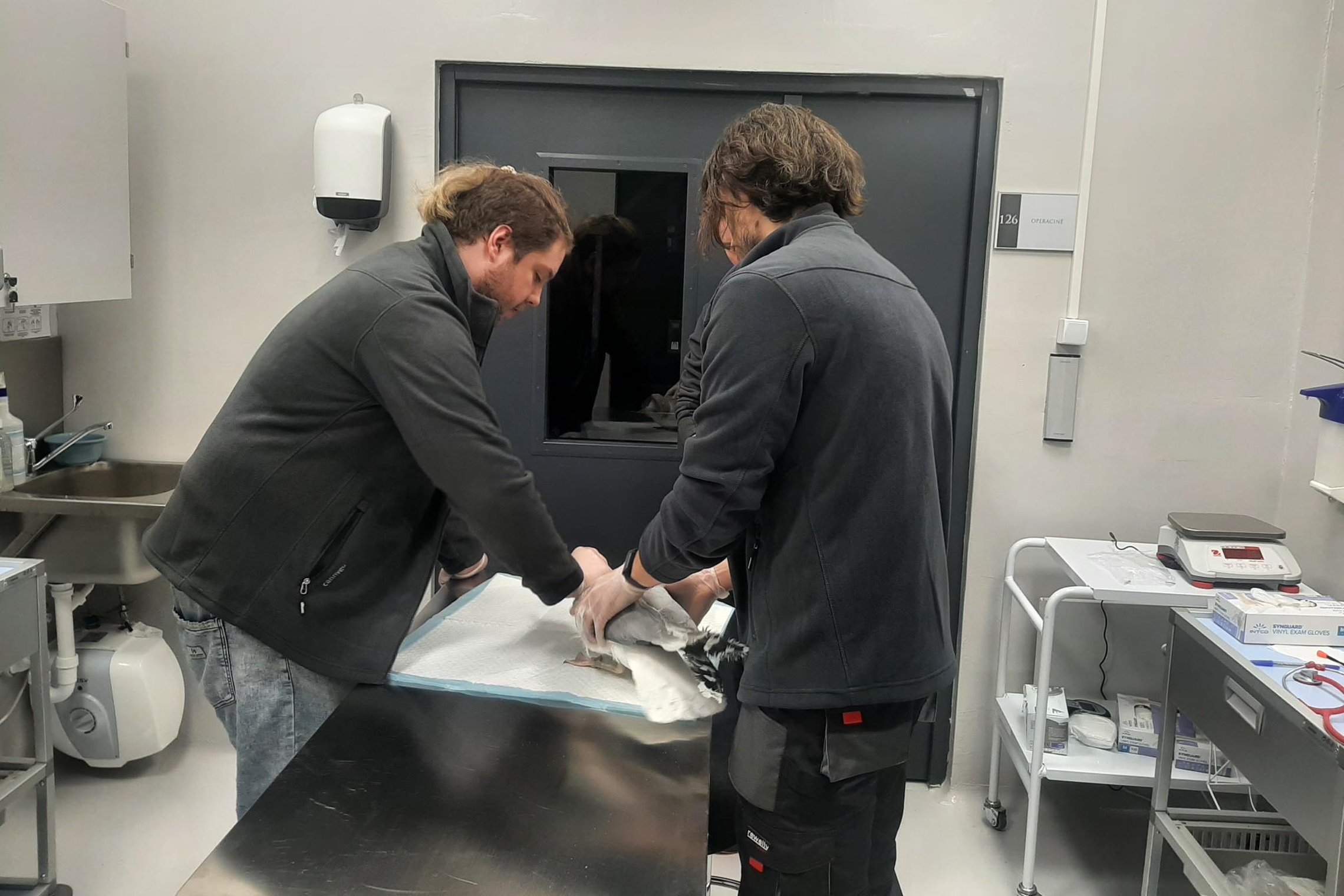
The Wildlife Care Centre (WACC) at the Lithuanian University of Health Sciences (LUHS) is set to commence operations on January 1, 2024. In the final days of December, the LUHS received a variety of animals seized by the Department of Environmental Protection for violations. These included 53 parrots and other exotic birds, 4 Royal Pythons, an American Red Squirrel, 12 hybrid cats, a Serval, a Great Auk, and a Flammulated Owl. These animals were transferred to the LUHS Wildlife Care Centre (LGGC).
Additionally, the Centre received a golden eagle, a golden eagle, and a sea eagle from the wild. Yesterday alone, the Centre provided assistance to a badger, a herring gull, a swan, and various other birds.
The LGGC is dedicated to caring for, treating, and either releasing animals back into their natural habitats or transferring them to individuals with the proper rights and conditions for captive wild animal care. It offers information and advice on the well-being, care, and protection of wild animals.
Situated in the village of Naujųjų Muniškių in the Kaunas district, the Centre operates seven days a week, extending its assistance to wild animals from across Lithuania. The LGGC complex encompasses a veterinary clinic with reception and examination rooms, an operating theatre, a laboratory for animal treatment and rehabilitation, public education spaces, staff rooms, a quarantine building, and indoor and outdoor aviaries.
The veterinary assistance provided by LGGC specialists is anticipated to enhance the survival rates of wild animals, increase the chances of successful releases, and streamline the transfer of wild animals to suitable living conditions.
Typically, Animal Care Centres serve as first-aid hubs for wild animals, such as white storks, owls, chickadees, roe deer, hedgehogs, bats, and others. They also act as temporary shelters for confiscated animals.
LGGC aspires to be a focal point for wildlife enthusiasts and aims to contribute to public education about the care, maintenance, and protection of wild animals.
If you encounter an injured wild animal, the recommended first step is to call the emergency number 112, where staff will assess the situation and direct you to the LGGC. Alternatively, you can contact the LGGC directly for advice via phone at +370 605 72837 or by email at [email protected]. The LGGC staff will provide detailed instructions on transporting or assisting an injured animal and offer guidance on other care-related matters.
Last updated: 07-01-2024
Related news:
Lithuania’s Social Climate Plan aims to improve living conditions for vulnerable people
Baltic States and Poland strengthen cooperation on implementing energy and climate plans
Key provisions of the EU Packaging and Packaging Waste Regulation now apply
Algirdas Pieniuta takes office as Vice-Minister of Environment